



Battery Terminals
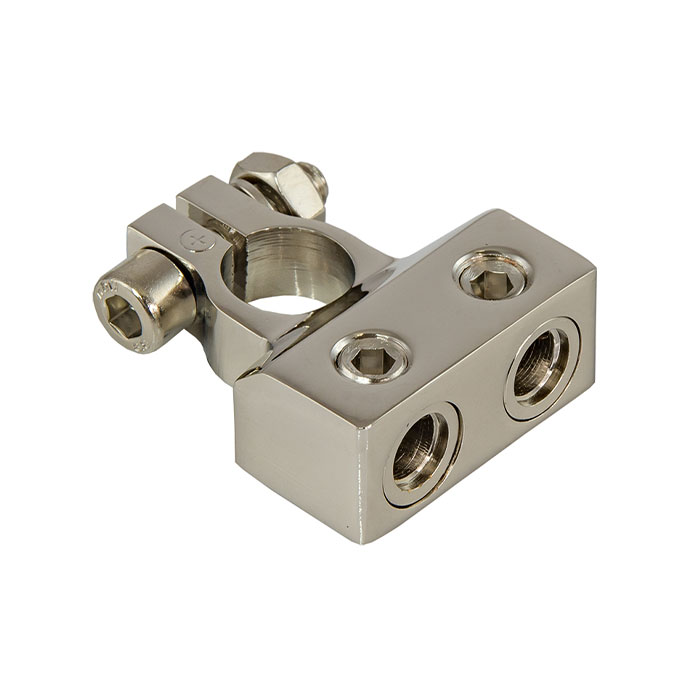
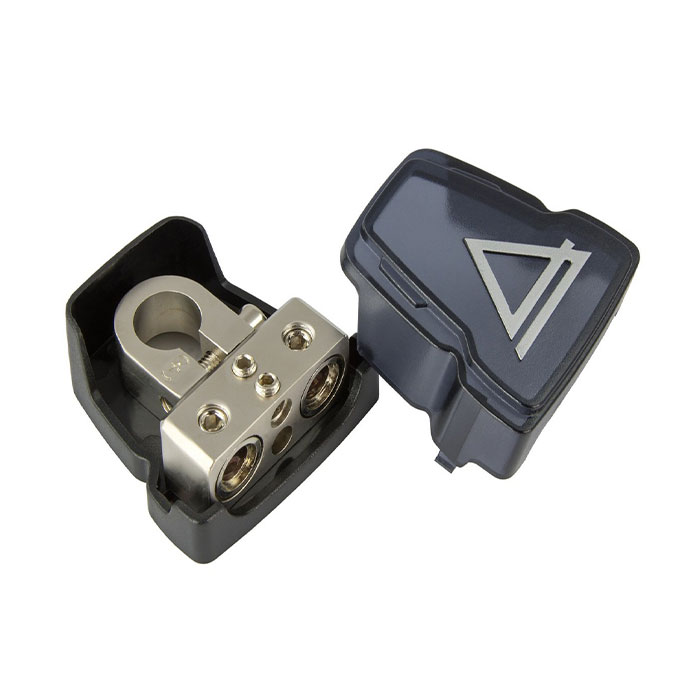
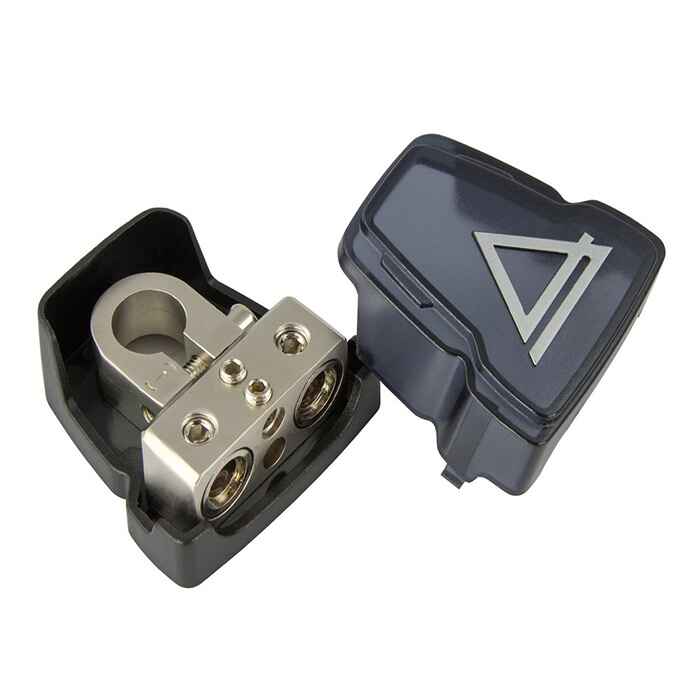
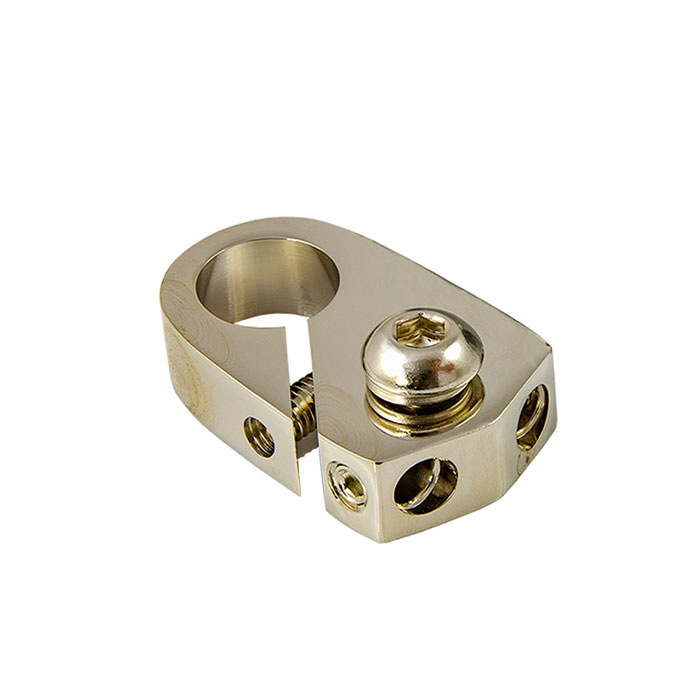
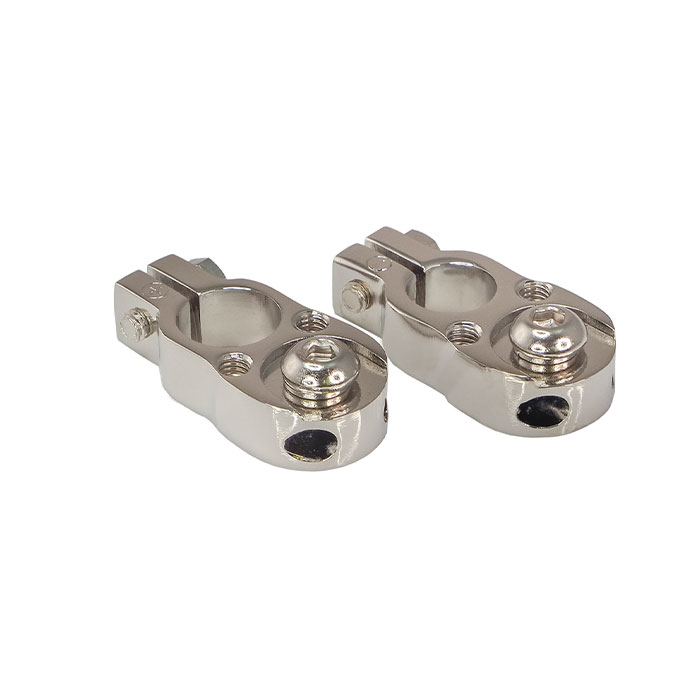
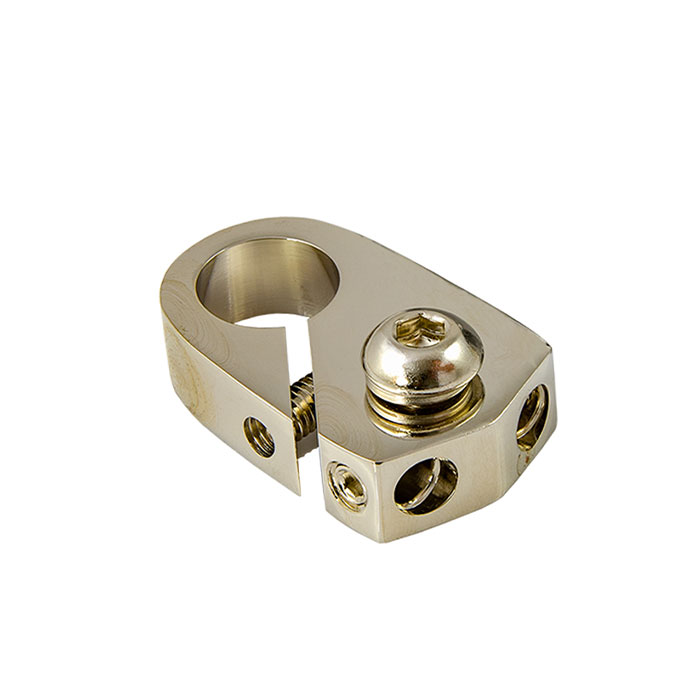
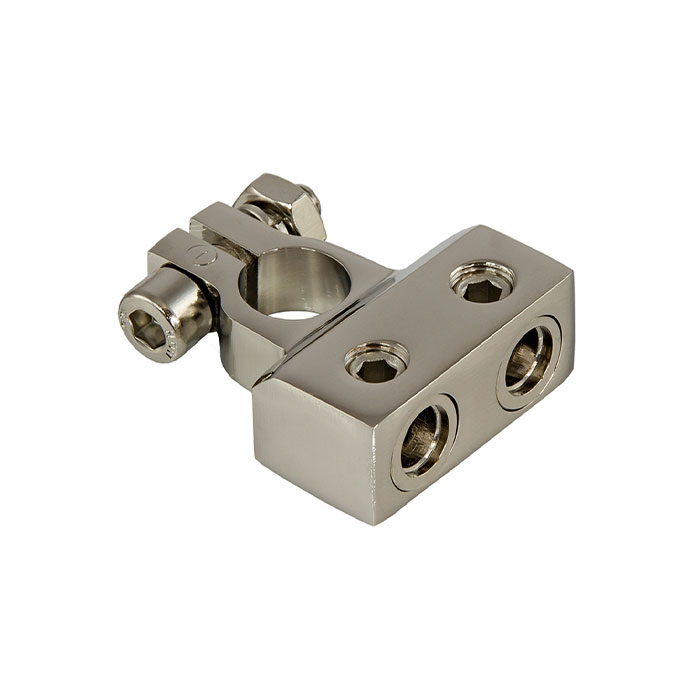
Car Audio Battery Terminals — The Connection Most Builds Get Wrong.
Spend enough time around car audio builds and you see the same thing repeat. Someone's dropped serious money — amp, sub, head unit, proper wiring — and the system still doesn't quite deliver what it should. So, they blame the amp. Maybe the sub enclosure. Swap a speaker. Still not right. Eventually, sometimes months later, someone checks the car audio battery terminal connector that's been sitting on that post since the car came out of the factory eight years ago, corroded and barely making proper contact, and that's the one.
Car audio battery terminals are where everything starts. The whole system draws from that point, and a bad connection there doesn't have to be catastrophic to quietly ruin what should be a good setup.
When the Terminal Can't Keep Up with the Current Draw
Here's what actually happens. During a bass hit, a loud passage, anything demanding — the amp calls for a surge of current and the battery terminal for sound system is the first thing that has to deliver it. If the connection's loose, undersized, or corroded enough to add meaningful resistance right at the source, the amp doesn't get the voltage it's asking for. What that sounds like is compression where there shouldn't be any. Dynamics that feel slightly soft. And the really telling sign — headlights flickering with heavy bass in a way that suggests the whole electrical side is struggling rather than just the audio.
Car amp battery terminals that corrode gradually make this worse in slow motion. The system that sounded decent six months ago starts feeling less alive, slightly duller, without any single obvious cause. Resistance builds quietly at that connection over time.
Getting the Right Car Audio Battery Terminal Connectors
At Enigma, we stock Aura's car audio battery terminal connectors specifically because we approach them the same way we approach the rest of the system — built for actual current demands, proper conductor material, fit that doesn't loosen over time or create contact issues down the line.
The best battery terminals for car audio aren't the most exciting purchase in a build. Nobody photographs the battery end of their install. But fitting quality car stereo battery terminal connectors is the kind of decision that keeps everything else performing the way it should, long after the rest of the system is dialled in. We've seen enough builds come through where swapping the terminal was the fix that finally made everything else click — it's not a glamorous solution, but it's a real one.
A weak foundation makes strong components perform like average ones. Sorting the car amp battery terminal first means the amp, the sub, the whole chain gets what it's actually supposed to.
FAQs
Got questions? We’ll answer them. If you can’t find the answer to your question here, feel free to reach out to us from our Contact Us section.
Car audio systems pull significantly more current than standard factory electronics, especially during bass peaks. Standard terminals often can't handle that load cleanly, which introduces resistance and voltage drop that compresses dynamics and puts unnecessary strain on the system.
Depends on total system power draw, but most serious builds need terminals accommodating multiple cable runs — main power, ground, and accessories. A quality car amp battery terminal should handle at least 4-gauge cable, often heavier.
Yes, directly. Corrosion builds resistance at the connection, meaning the amp sees less voltage than it needs during peaks. Audible result is compressed dynamics, and that headlights-dimming-with-bass symptom that people usually blame on the alternator.
Visible corrosion, loose fit on the post, or heat discoloration around the terminal are the main signs. If the system sounds flatter than it used to, checking the battery terminal for the sound system is worth doing before pulling apart anything more expensive.
Yes — Aura's car audio battery terminal connectors from Enigma fit standard battery post sizes while accommodating the larger cable gauges and multiple connections a proper car audio system needs