


Recent Posts
.png)









.jpg)
.jpg)


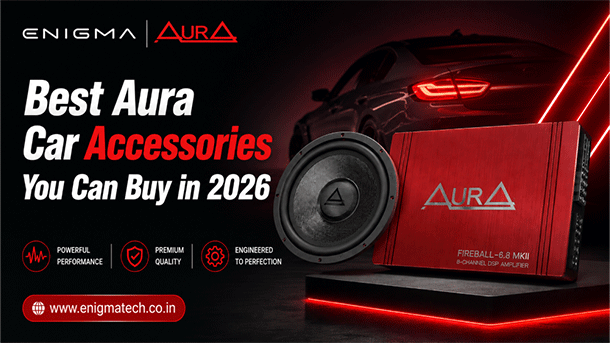
Best Aura Car Accessories You Can Buy in 2026
A subwoofer that dies in six months. A "premium" amplifier that runs hot enough to shut itself down on a long drive. Anyone who's shopped for car audio in India has a story like this, usually involving a salesman who couldn't tell them what wattage actually means.
Aura has become one of the steadier names in this space, and Enigma Technotronix is the company distributing it here — bringing the range into showrooms and, increasingly, online carts. What follows is a category-by-category look at what's actually worth buying in 2026. No filler, no vague "great sound quality" claims without a number behind them. If you're comparing options for a car accessories supplier , this should save you a few wasted calls.
Why Choose Enigma for Car Accessories?
Fair price. That's usually where people start, and fair enough. But price without build quality is just a slower way to lose money.
Take the VENOM-HD10 subwoofer. It uses a cast aluminium basket instead of the stamped steel most budget drivers rely on — a detail that sounds minor until you've replaced a cracked basket twice in one year. Pricing on the Aura range sits below what comparable imported gear demands, without the corner-cutting that usually explains a cheap price tag.
What actually separates Enigma from a dozen other resellers, though, is what happens after the sale. Naraina Ring Road in New Delhi is where the company runs its operations, and there's a real service center network behind it. Somebody picks up the phone. Try that with a cable-only seller shipping unbranded stock off a marketplace app.
Testing — We Really Tested These Products
Most buying guides get written off a spec sheet, not a speaker. Worth saying that plainly, because it's rarer than it should be.
The Venom-D862DSP head unit got fed a 1kHz sine wave off a USB drive during testing. Total harmonic distortion sat at 0.03 to 0.04 percent at normal listening levels. Pushed to full volume with EQ flat, the unit held 20 volts of output amplitude before clipping kicked in — which works out to roughly 50 clean watts per channel into a 4-ohm load. That's a bench number, not a brochure number.
Damping sheets got the same treatment. The Venom-2.3 SQ, tested inside a five-seat sedan, cut cabin noise by 6.3 dB. Applied to a car specifically, that figure climbed to 9.5 dB. Heat insulation on an engine hood application came in at 93 percent. None of this is rounded up for effect. It's what a best car accessories supplier should be handing you before you spend a rupee, not after you've already complained.
Let’s dive into some of our best-selling products:
Subwoofers
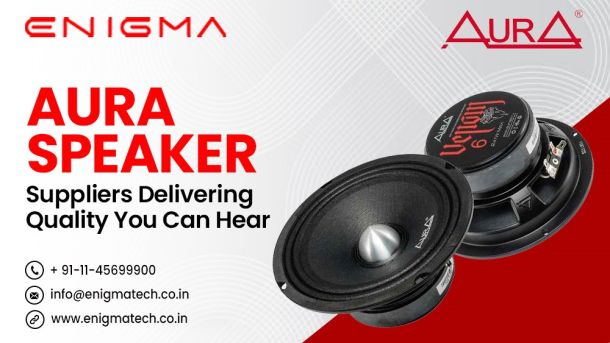
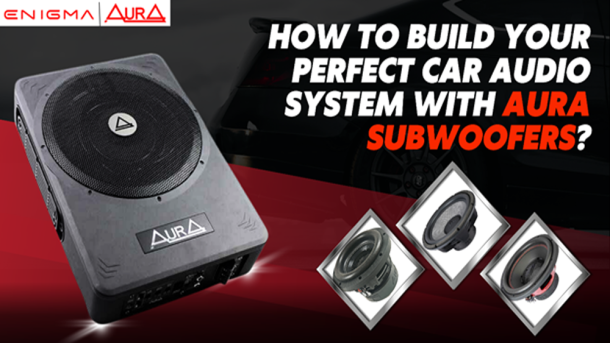
Bass is the part most factory systems get wrong — thin, boomy, or just missing entirely. A proper subwoofer speaker for car audio fixes that by handling frequencies that door speakers physically can't push, giving tracks actual low-end weight instead of a flat hum. Aura car subwoofers split into two camps here: deep, heavy-hitting units for people who want the cabin rattling, and tighter, more controlled options for anyone chasing accuracy over sheer volume.
So, let’s look some of our hero products:
VENOM-HD10
The VENOM-HD10 is Aura's signature-edition play for anyone who wants their trunk to earn its keep. This isn't a budget filler sub — the build quality and materials point toward a driver meant to handle sustained hard use without breaking down after a few months of daily bass. It's built for people chasing genuine low-end impact rather than a subtle boost, the kind of sub that turns a car into a rolling speaker cabinet when it's set up right.
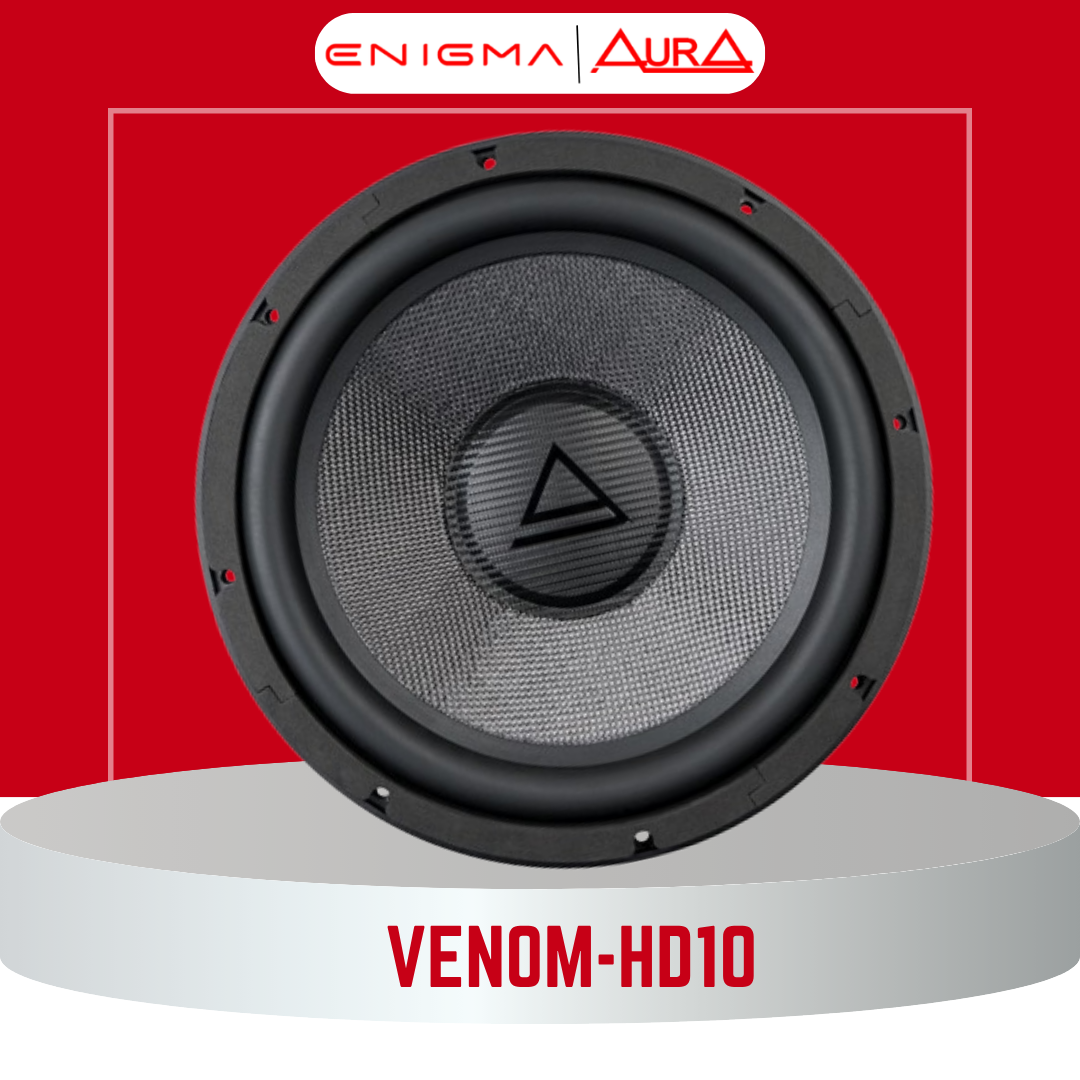
VENOM-HD10 Specs:
- 10-inch signature-edition subwoofer
- Cast aluminium basket
- Composite woven glass fiber and paper cone
- Power handling: 251W RMS / 501W peak
- Dual 2-ohm voice coils
- Frequency response: as low as 25Hz
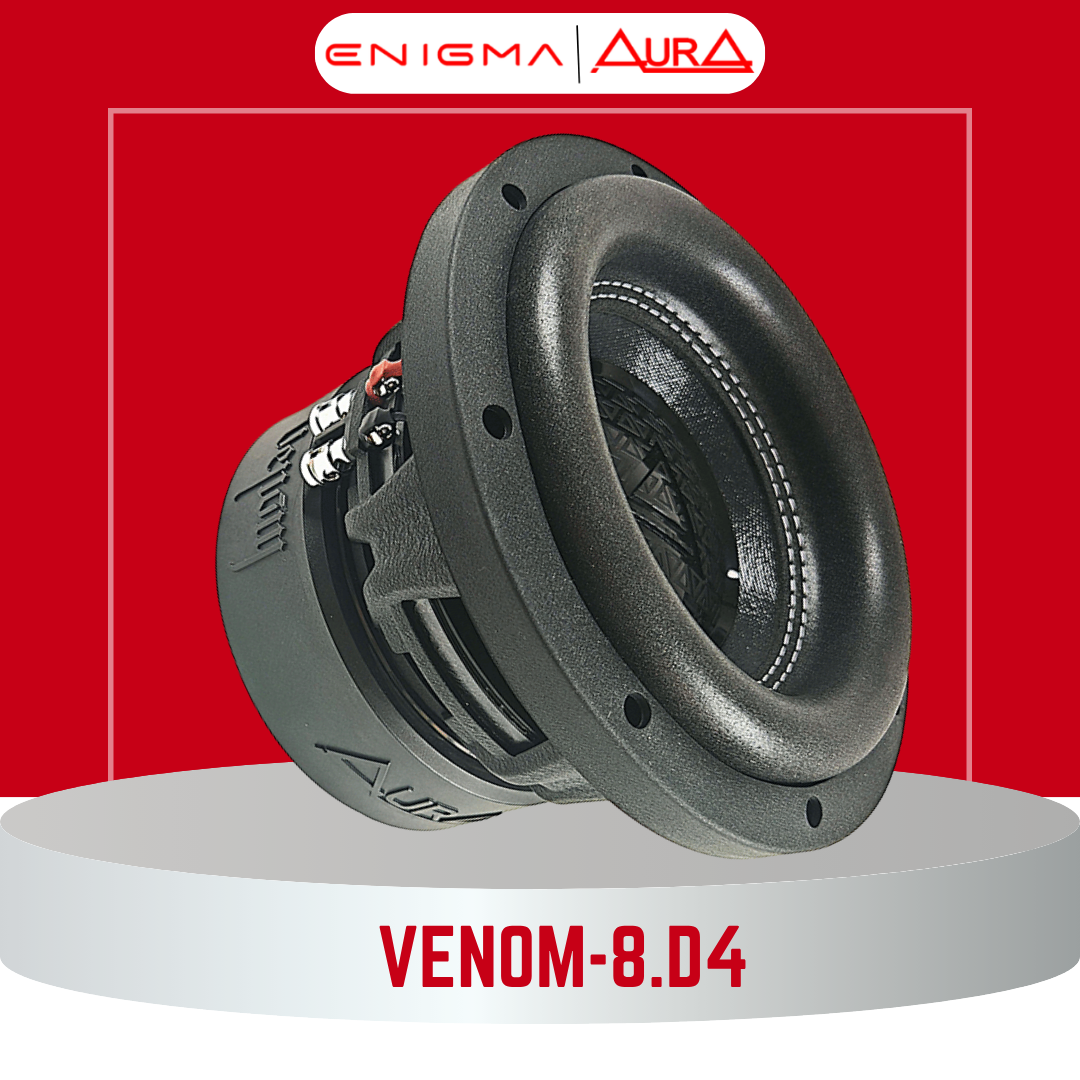
VENOM-8. D4
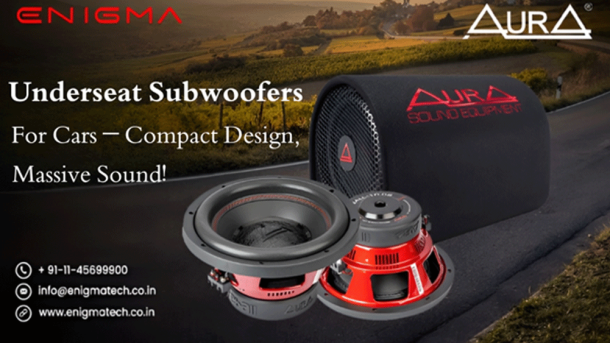
The VENOM-8. D4 - is built for a different problem than a big trunk sub solves — this one's for cars where boot space isn't up for negotiation. It's an underseat subwoofer for car owners who still want real output without carving out cargo room, the kind of install that works for someone who needs the boot for luggage daily, not just occasionally. It's the pick for anyone who wants a bass without the compromises of ripping out a spare-tire well or losing the parcel shelf.
VENOM-8. D4 Specs:
- 8-inch subwoofer
- Dual 4-ohm voice coils in 4x4 configuration
- Unpressed cellulose cone
- Power handling: up to 701W RMS
- Shallow mounting depth — fits most sedan seat rails
Amplifiers
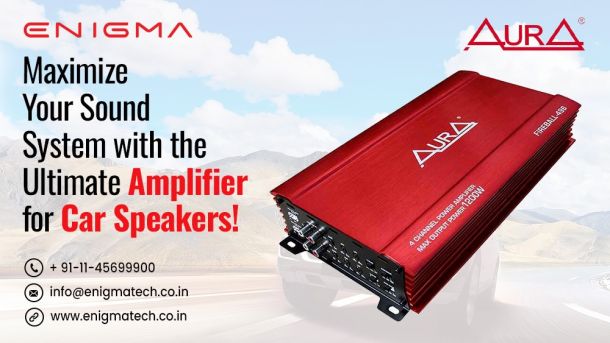
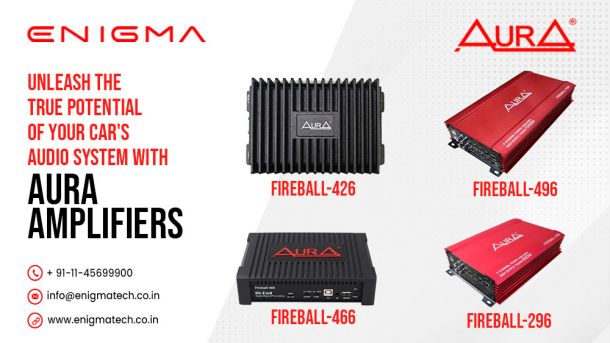
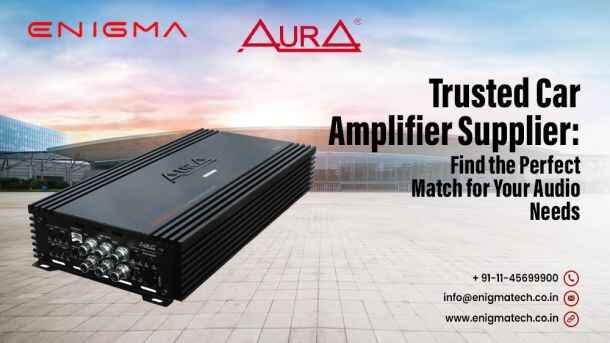
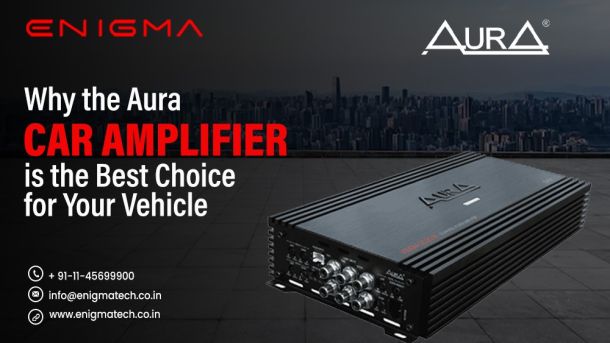
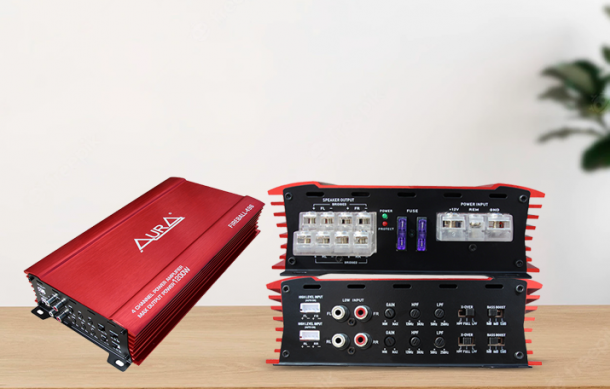
Stock head unit power runs out fast the moment you push volume or add better speakers — that's where a dedicated amplifier for car speakers earns its place. It cleans up the signal and supplies real current instead of the strained, distorted output built-in amps give once you turn things up.
Some of our preferences for you:
FIREBALL-6.8 MKII
FIREBALL-6.8 MKII - MKII is built for anyone outgrowing a basic setup rather than starting from scratch. It's aimed at drivers who already have a 5-channel amp running their system and want more headroom — more channels to work with, more processing power to fine-tune the sound, without needing to rebuild the whole install from the ground up. The onboard processing means less reliance on separate outboard units cluttering the trunk, and wireless control adds a layer of convenience that older amps in this category just don't offer. It's a step-up amp for someone ready to stop compromising on channel count.
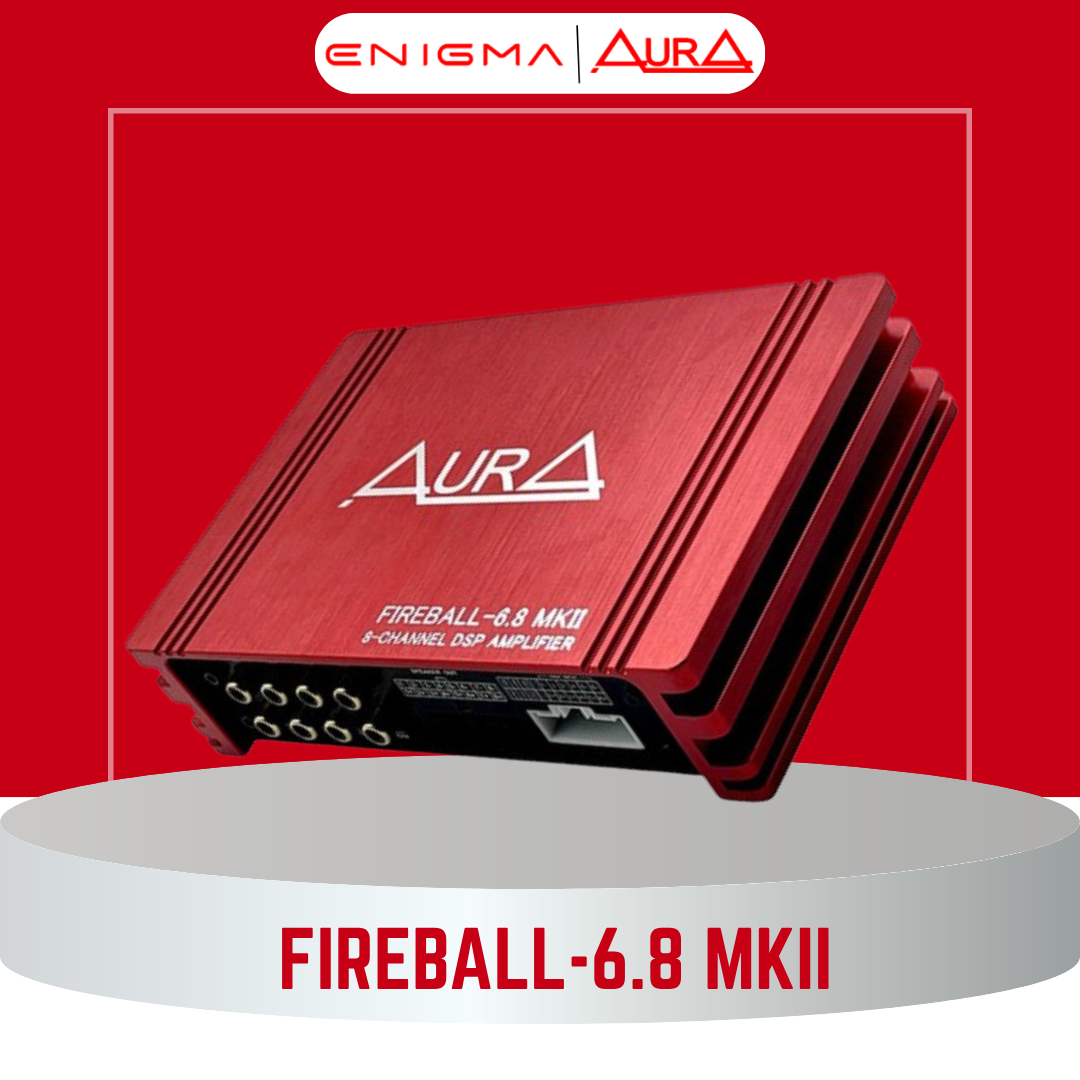
FIREBALL-6.8 MKII Specs:
- 8-channel, Class AB amplifier
- Cirrus Logic Smart HiFi 3-core processor
- Output: 8x25W at 4 ohms / 8x50W at 2 ohms
- Bluetooth 5.1 connectivity
- 31-band EQ onboard
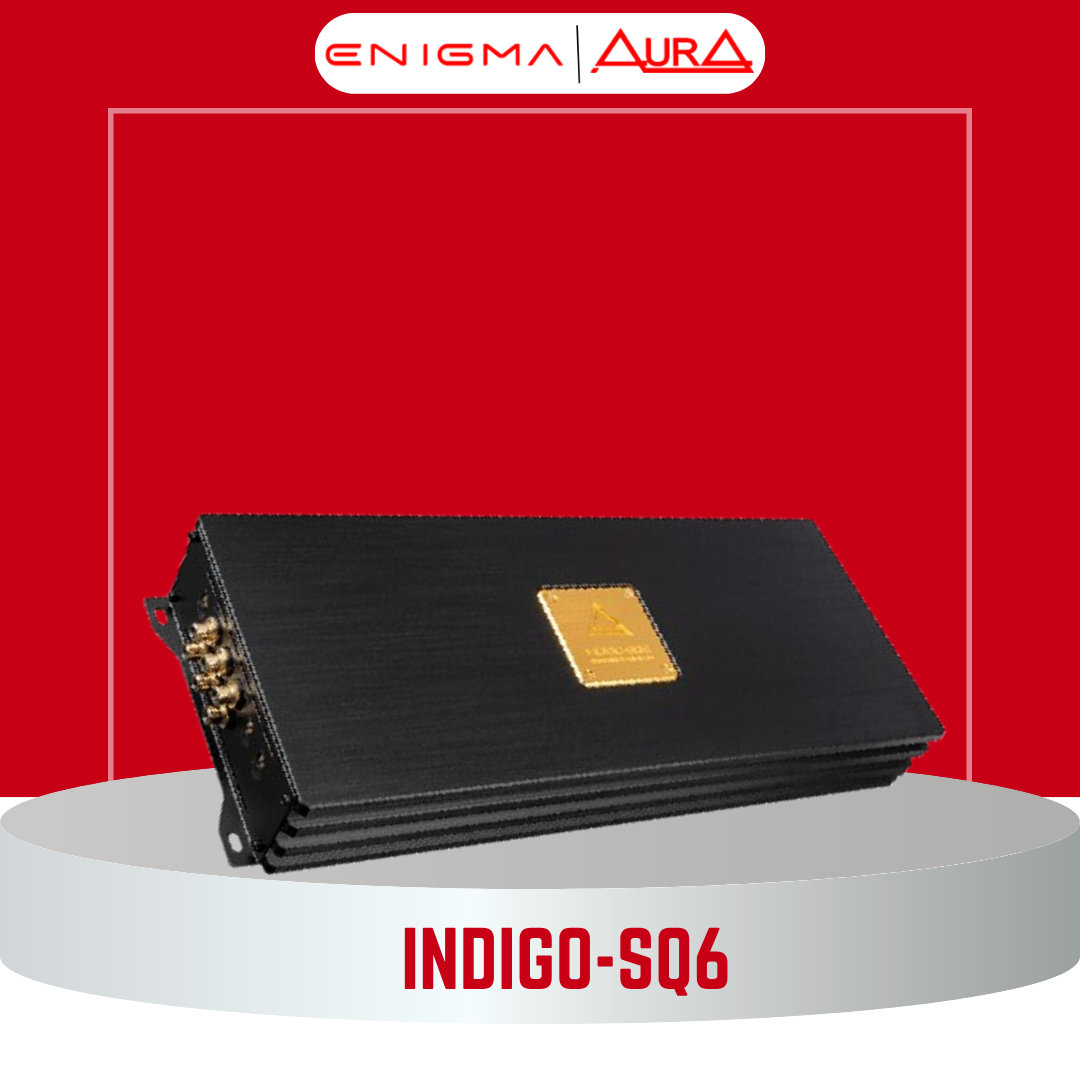
INDIGO-SQ6
INDIGO-SQ6 -is built for a specific kind of listener — someone who cares about accuracy over raw loudness. That clean signal path matters most when road noise, wind, and tire hum are working against you at highway speed, not in a silent demo room where everything sounds good anyway. It's an amp for people building a system meant to be critically listened to, not just felt.
INDIGO-SQ6 Specs:
- 6-channel amplifier, Pure Direct design (no crossover circuit)
- Output at 4 ohms: 90W x 4 + 160W x 2
- Output at 2 ohms: 120W x 4 + 230W x 2
- Signal-to-noise ratio: 95dB+
Speakers
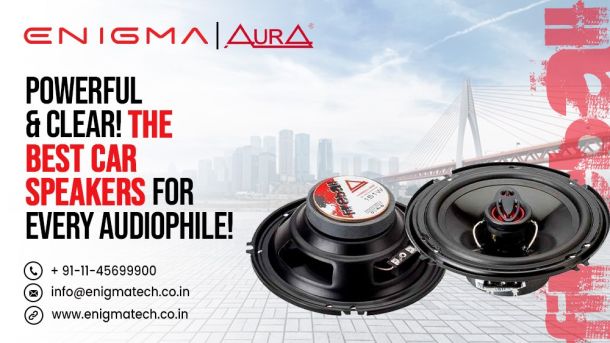
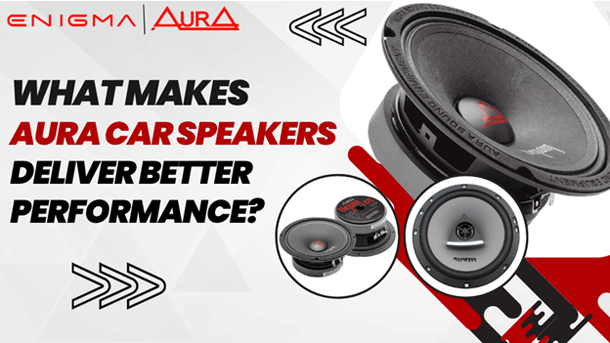
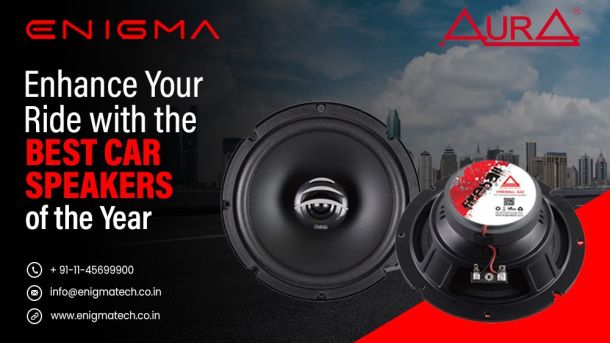
A loud demo speaker impresses for thirty seconds and then gets tiring fast — that's the trap most buyers fall into when hunting for the best car speakers. Real quality shows up on the boring drives instead: the daily commute, a low-volume phone call through the stereo, a podcast at 7 AM before coffee kicks in. The best car speakers are built around that everyday test, not the showroom one.
Fireball-CL6C
Fireball-CL6C - is built for people who want more control over their cabin's tone rather than accepting whatever balance the factory decided on. That little tweeter adjustment is the kind of detail enthusiasts appreciate — a quick fix for cars where reflective surfaces or a smaller cabin makes the top end sound harsher than intended, without needing an outboard EQ to fix it. It's a speaker for someone who wants a clean, controlled top end that doesn't turn fatiguing on a long drive, not just a wide frequency spec printed on a box
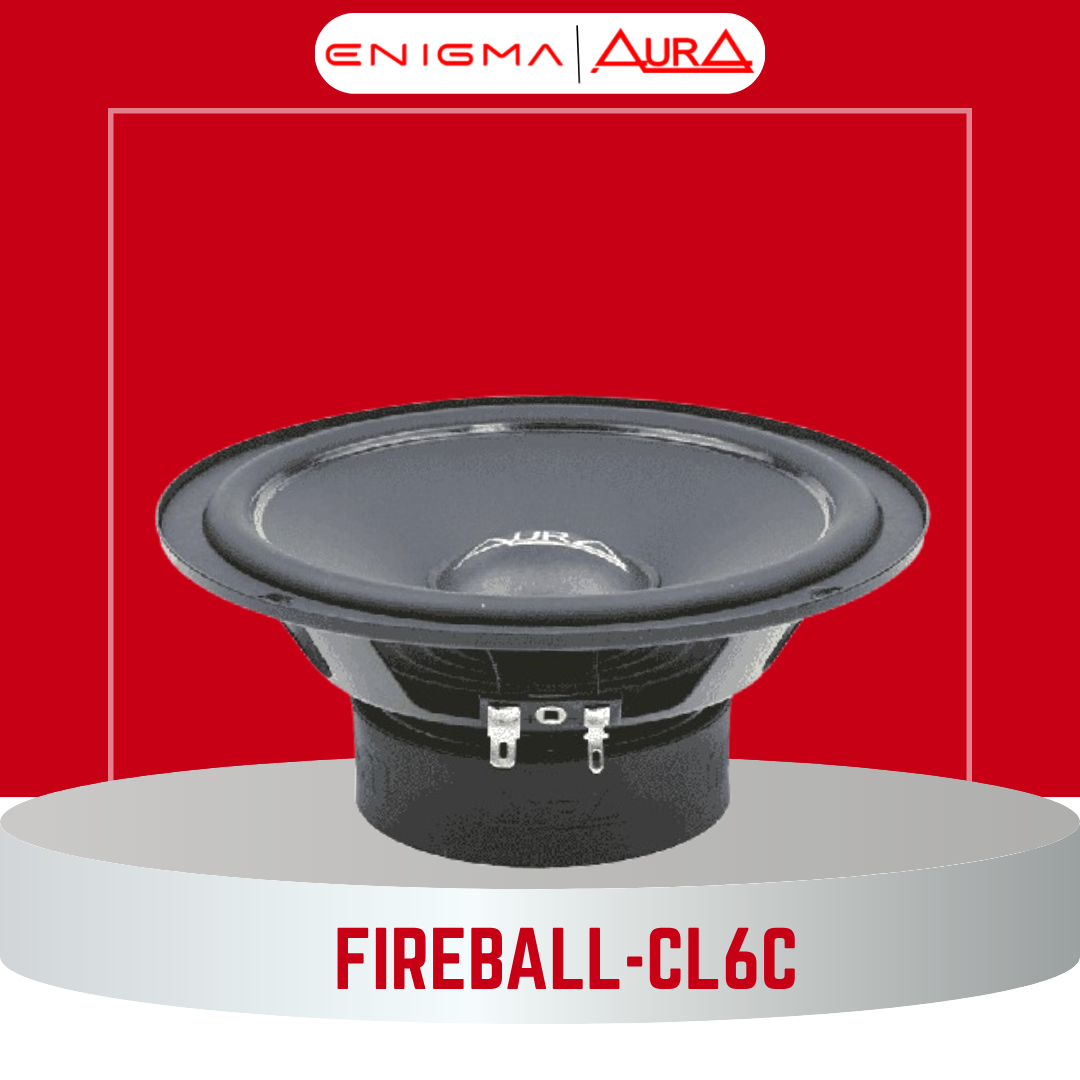
Fireball-CL6C Specs:
- 6.5-inch, 2-way speaker
- Paper cone woofer: 80W RMS / 400W max
- 44mm silk dome tweeter, up to 20,000Hz
- Crossover slope: 12dB/octave
- Adjustable tweeter output (-3dB via red wire trim)
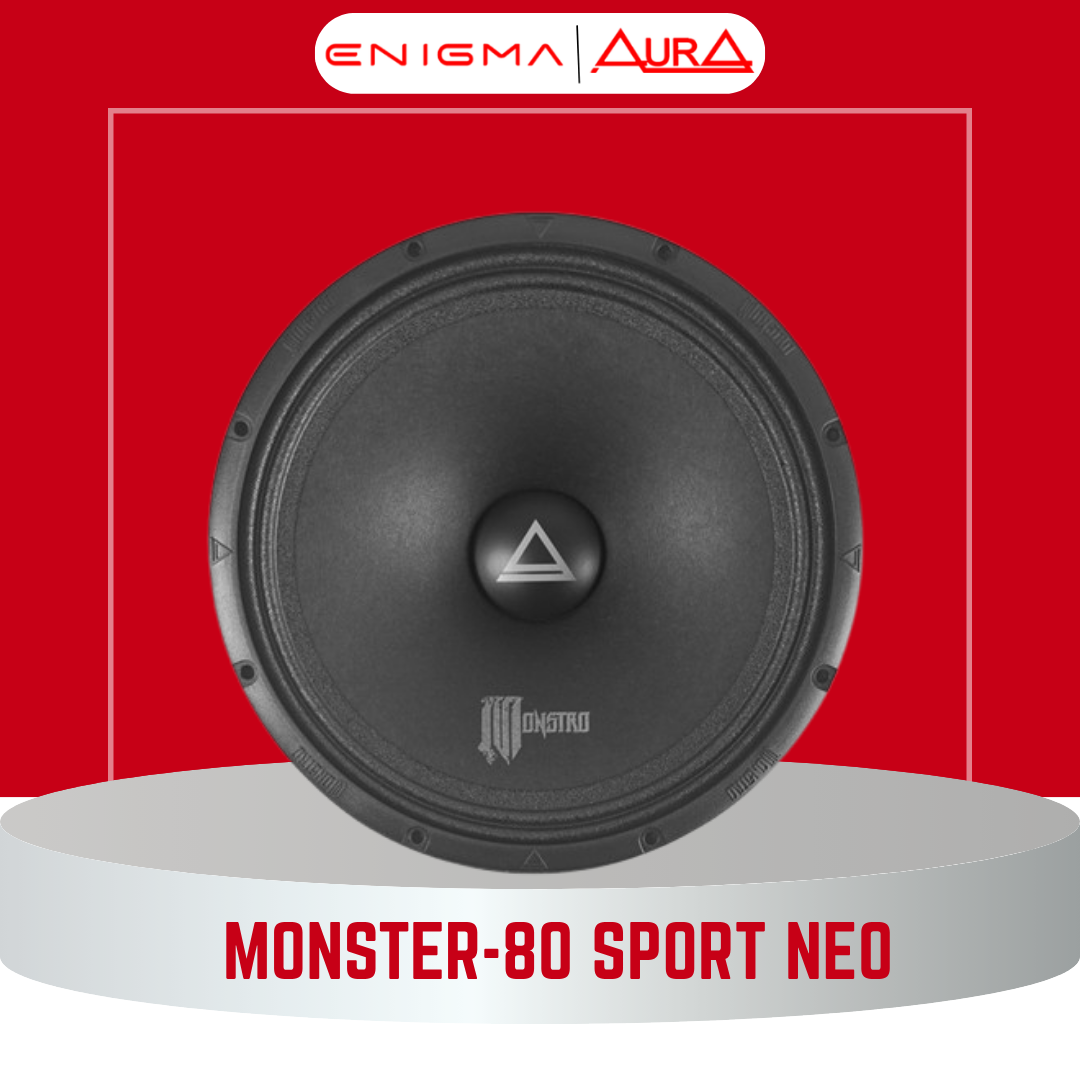
MONSTER-80 SPORT NEO
MONSTER-80 SPORT NEO - is aimed at people building a serious component system rather than dropping in a basic replacement speaker. High sensitivity like these matters most when you're not running a massive amp — it lets a modest power source drive the speaker to real volume without straining, which is a big deal for anyone keeping their setup compact. It's a midrange for a system where every component pulls its own weight instead of relying purely on amp power to get loud.
MONSTER-80 SPORT NEO Specs:
- 8-inch midrange, neodymium magnet
- Sold as a matched pair
- Sensitivity: 102dB
- Power handling: 301W nominal / 601W peak
Digital Sound Processors
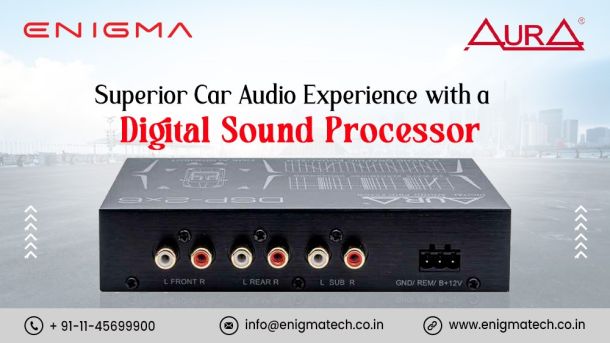
Correcting time alignment and per-channel EQ is what separates a tuned system from one that's just fighting the cabin's factory acoustics. And that’s what a DSP does
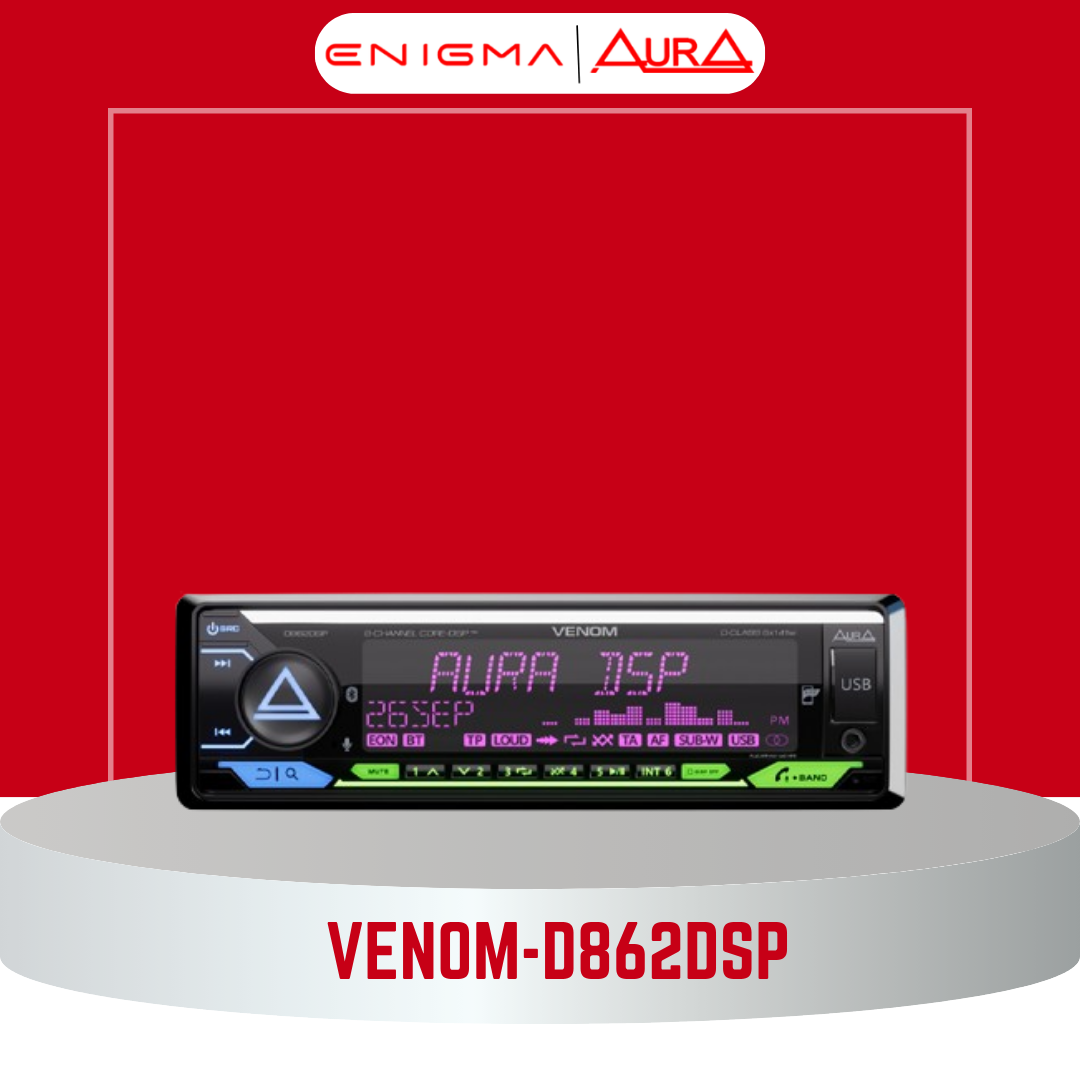
VENOM-D862DSP
VENOM-D862DSP - is really a processing platform wearing a head unit's face — that's the part worth understanding before anything else. Filter type selection is the kind of feature usually reserved for outboard processors costing as much as the head unit itself, letting an installer shape crossover behavior to match a specific cabin or driver set instead of accepting one generic slope for everything. It's a unit for someone tuning a system properly, not just swapping a stereo for one with Bluetooth.
VENOM-D862DSP Specs:
- 8-channel DSP platform, functions as a head unit
- Built-in 6-channel Class D amp: 6x71W nominal
- 48-band parametric EQ with adjustable Q-factor
- Selectable filter types: Butterworth, Linkwitz-Riley, Bessel
- Channels 7 & 8 reserved for separate sub amp
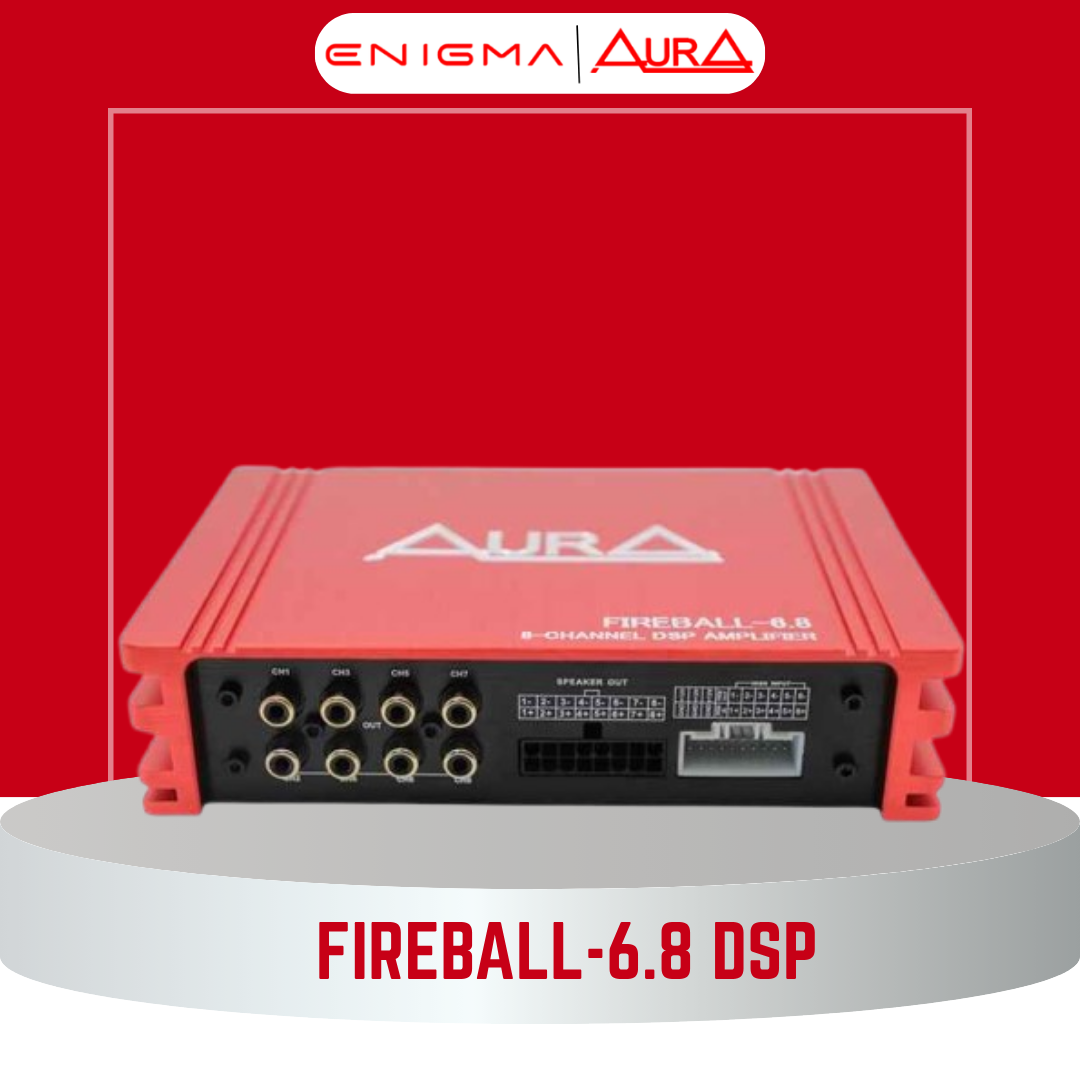
Fireball-6.8 DSP
Fireball-6.8 DSP —exists for a different install than a standard amp — this one assumes you've already got amplification sorted and just need the tuning brain. Skipping the amp section entirely means no wasted circuitry or heat; every bit of this digital sound processor for car use is dedicated purely to shaping the signal before it reaches your amps. It's built for a system that's being tuned properly rather than assembled from a single all-in-one box.
Fireball-6.8 DSP Specs:
- 8-channel Cirrus Logic core (same as MKII amp)
- 24-bit/192kHz sampling
- 31-band EQ
- Pure digital sound processor for car — no built-in amplifier
- For use with separate power amps
Damping Sheets
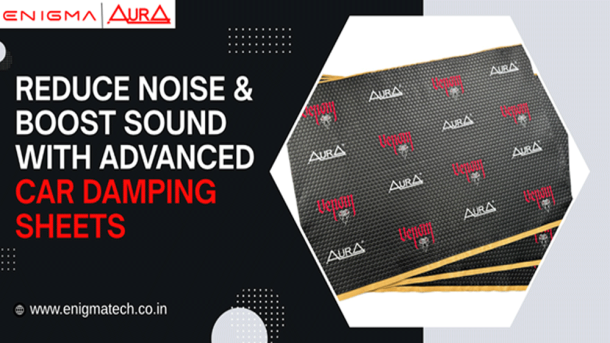
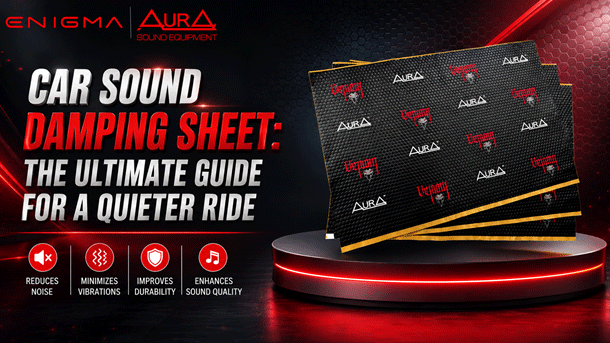
Skip this step and every upgrade above just underperforms. A door panel rattling at 40 percent volume will ruin even a perfectly tuned system. And that’s where a damping sheet comes to save the day.
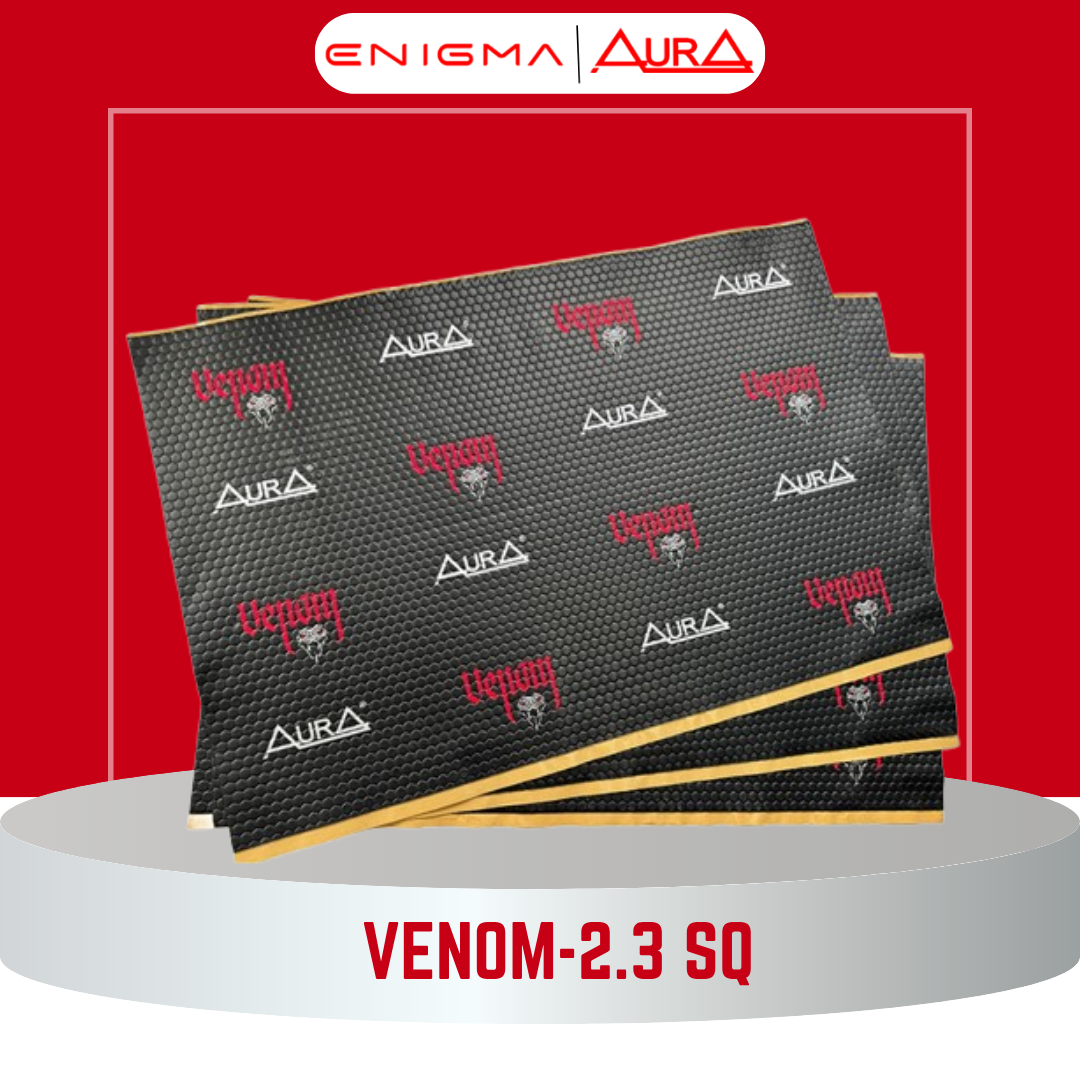
VENOM-2.3 SQ
VENOM-2.3 SQ —tackles a problem most people don't think to fix until someone points it out — the tinny, hollow rattle that comes from raw sheet metal doing nothing to absorb vibration. Road noise complaints usually trace back to a missing car damping sheet before they trace back to the speakers themselves, since even the best driver sounds worse fighting through a resonating door panel or trunk floor. It's a starting point for anyone building a system properly, before even touching speakers or amps.
VENOM-2.3 SQ Specs:
- 2.3mm aluminium butyl car damping sheet
- 10 sheets per box, 500mm x 750mm each
- Tensile strength: 22 KPa (vs 16 KPa benchmark)
- Water absorption: under 0.6%
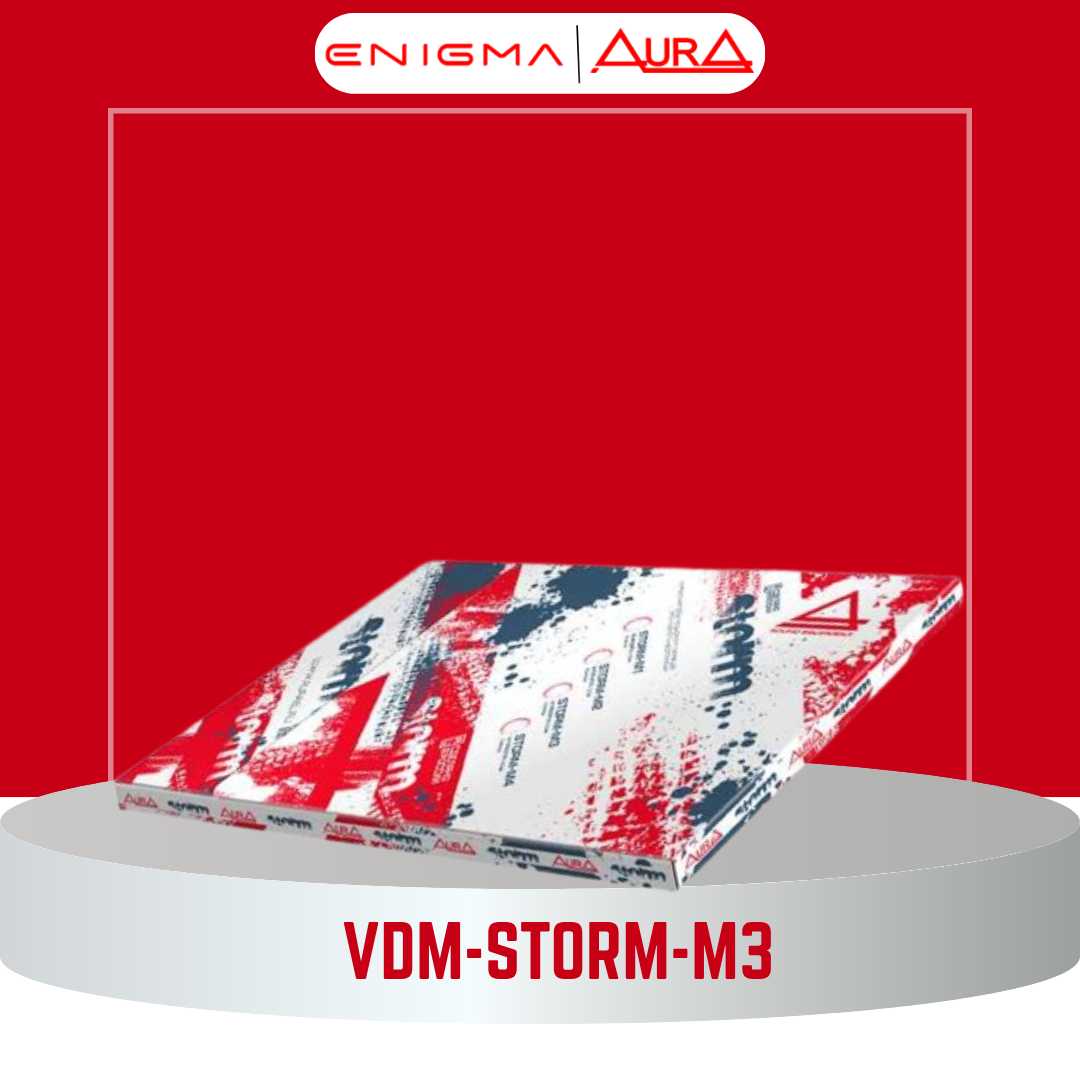
VDM-STORM-M3
VDM-STORM-M3 —is built for the panels where a thinner sheet just doesn't cut it — bigger, flatter surfaces need more mass to actually kill vibration instead of just muffling it slightly. Boot floors and firewalls take a real beating from road contact and engine vibration, so a thicker layer here does more work than the same material would on a door panel. Fitting flush matters more than people expect too — a sheet that bridges or bubbles on a large panel loses most of its damping effect right where you need it most.
VDM-STORM-M3 Specs:
- 3.0mm thick butyl rubber damping sheet
- 60-micron aluminum foil layer
- Sized 470mm x 750mm
- Best suited for large flat panels — boot floor, firewall
Cables
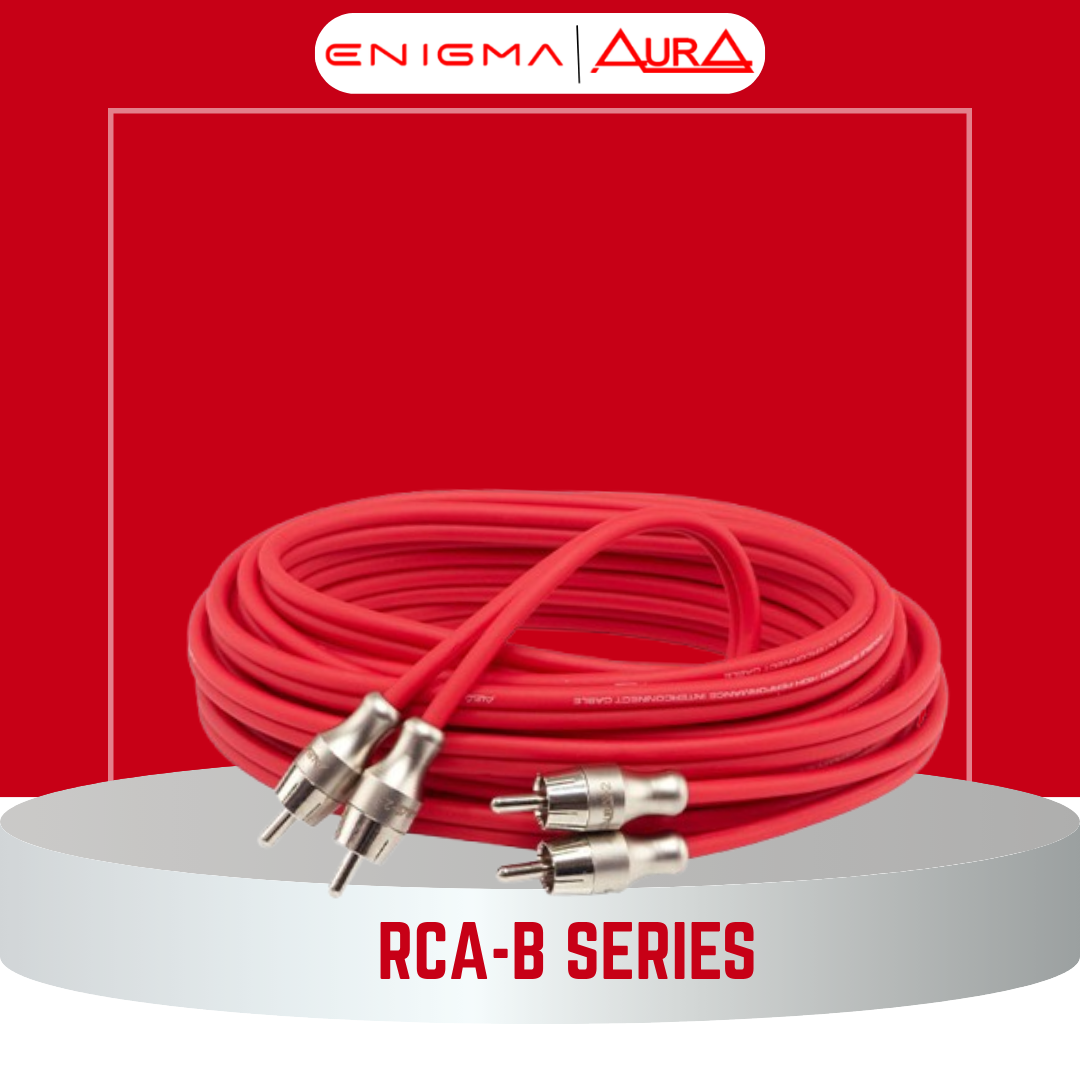
A lot of otherwise-solid systems pick up hum nobody can trace back to the source. Usually, it's the RCA cable. Their work is to transfer the signal from one place to another.
Aura Team Special (RCA-B Series)
Aura Team Special (RCA-B Series) — The RCA-B02 SE in this line runs oxygen-free copper conductors, double shielding, nickel-plated detachable connectors. Solid entry point if you're comparing best rca cables for car audio on a tighter budget.
RCA Fireball Series
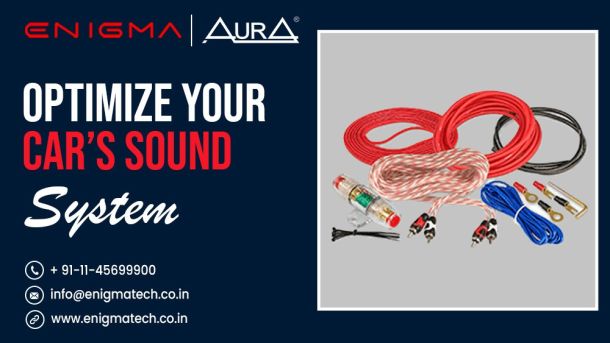
RCA Fireball Series — Step up to the RCA-AN22 MkII and the twisted-pair design handles noise rejection better over longer runs. Pair it with an actual car speaker wiring kit — the Venom KIT-1, say, two 2.5-metre copper power cables with fuse and crimped terminals — if a high-power amp is running straight off the battery. Factory wiring won't survive that load.
Car Camera
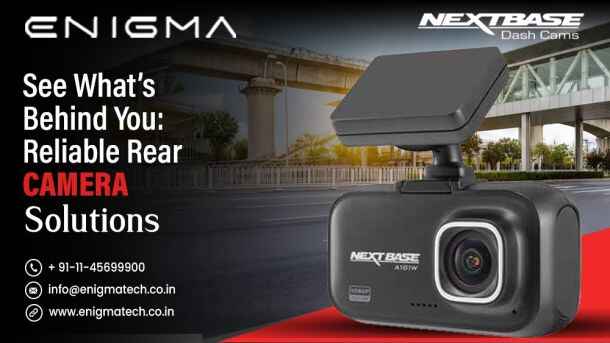
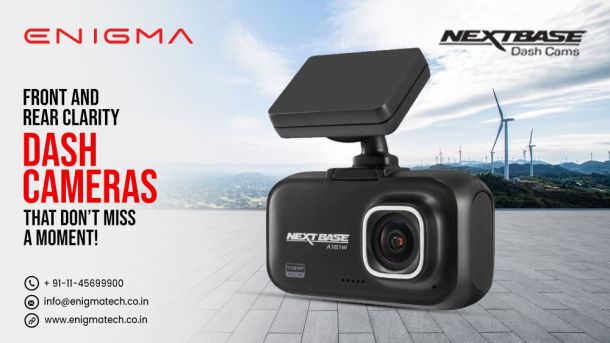
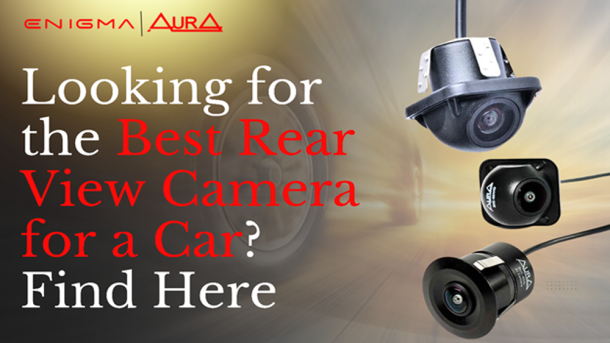
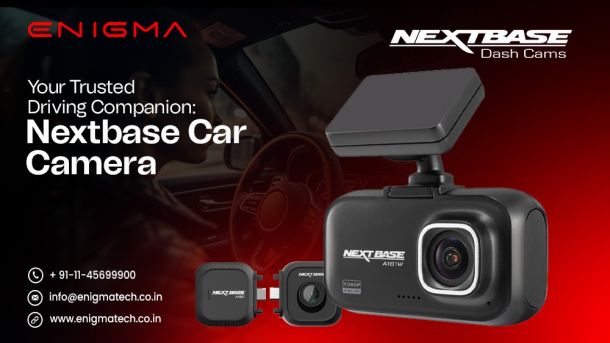
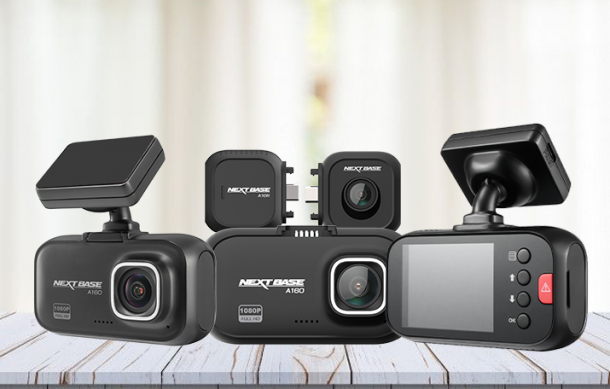
A car camera has moved from a luxury add-on to a practical safety tool, covering blind spots a mirror just can't reach — tight parking spots, reversing near pedestrians, merging in traffic. Video quality matters more than the spec sheet suggest, especially at night, where cheaper cameras usually fall apart into a useless blur. It's less about resolution numbers on a box and more about how the footage actually holds up when it matters most.
BVC-92AHD 360 Universal Camera
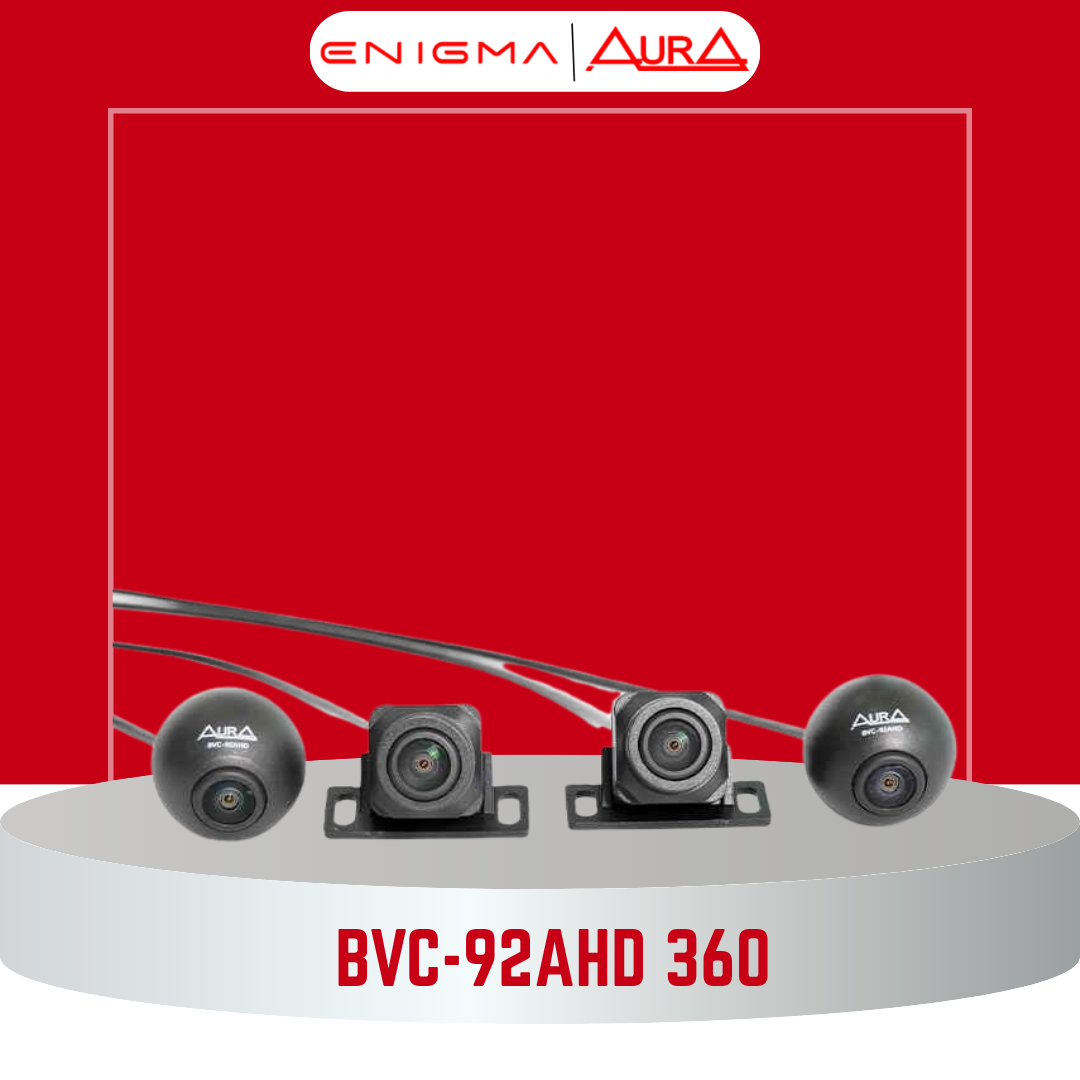
BVC-92AHD 360 Universal Camera —is built for the situations where a regular reversing camera gives up — dim garages, unlit streets, and basement parking that swallows most footage into black. That low-light rating is really the headline spec here, not the resolution, since a sharp daytime image means nothing the moment the sun goes down and the picture turns to noise.
BVC-92AHD 360 Universal Camera Specs:
- 1080p AHD resolution
- 185-degree horizontal field of view
- IP68 waterproof rating
- Minimum illumination: 0.05 lux
RVC-42AHD Universal Rear View Camera
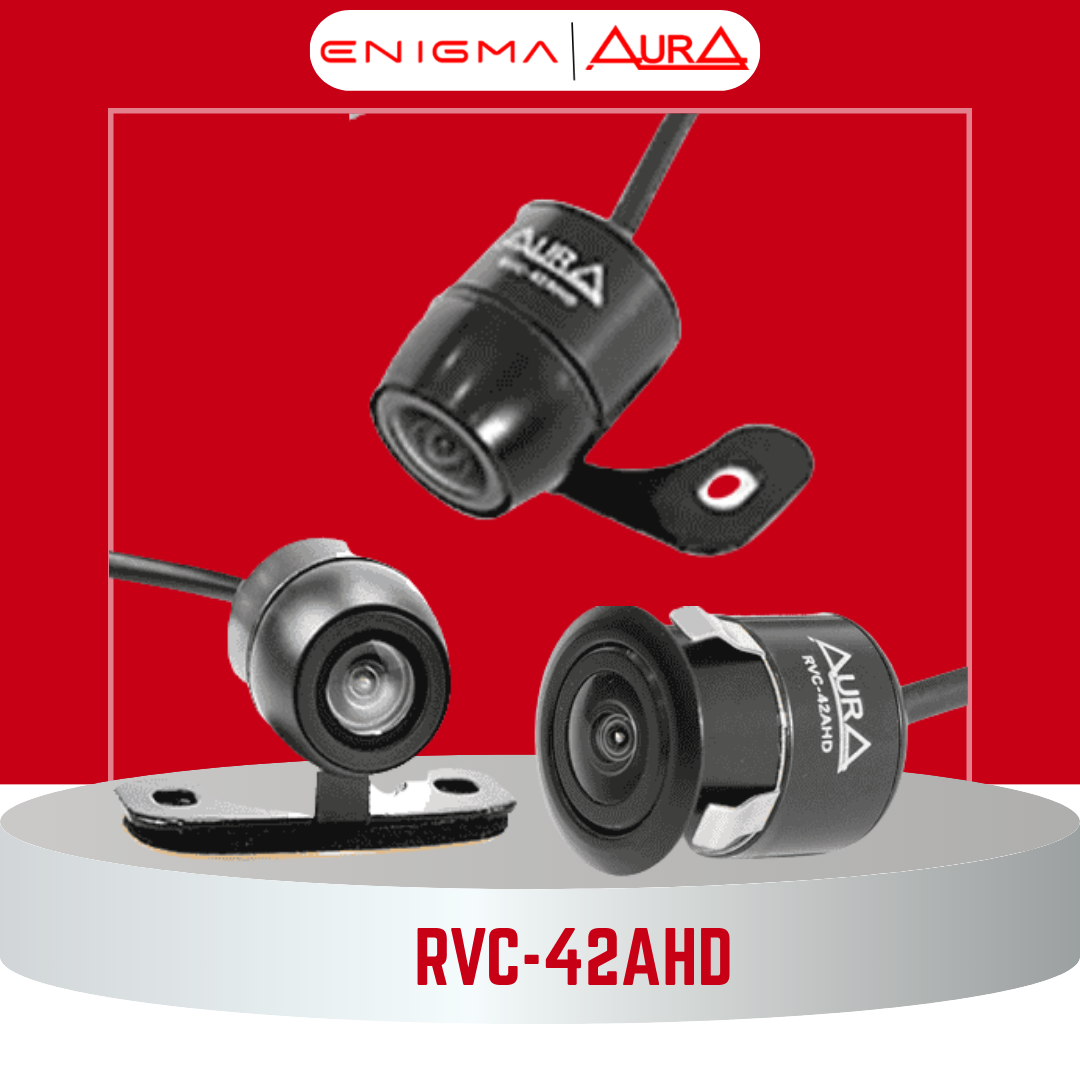
RVC-42AHD Universal Rear View Camera —solves a compatibility headache more than a picture-quality one — plenty of good cameras exist that simply won't talk to an older factory head unit without extra hardware getting stuff into the mix. Being able to switch between output formats means one camera works across a wider range of setups, which matters a lot to anyone comparing rear-view camera suppliers who don't want to gamble on whether a unit will actually integrate with what's already installed.
RVC-42AHD Universal Rear View Camera Specs:
- Switchable AHD/CVBS output
- 170-degree diagonal view
- IP68-rated
- No converter box needed for older head units
Android Car Multimedia Receiver / System
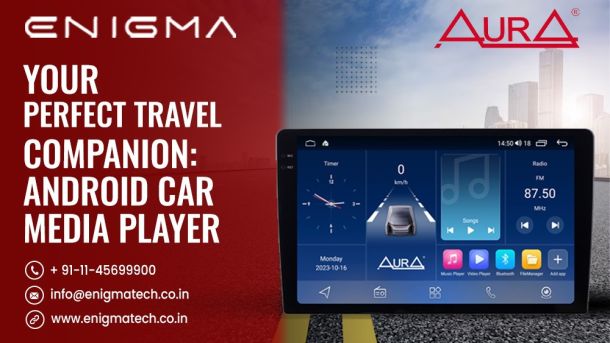
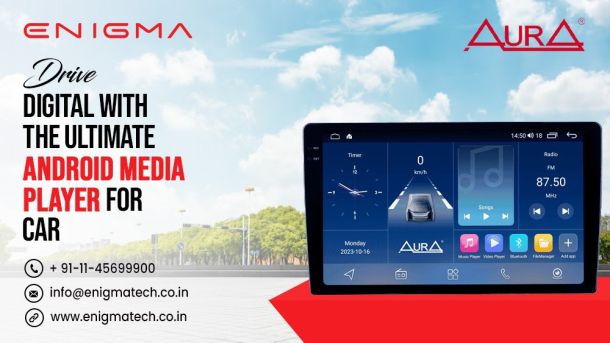
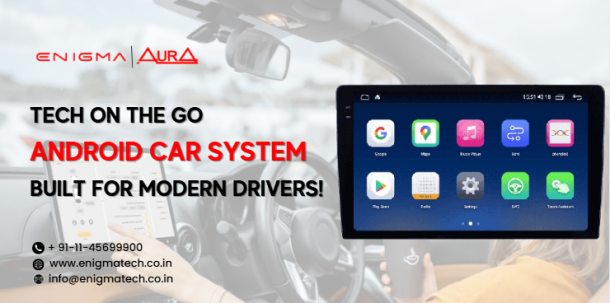
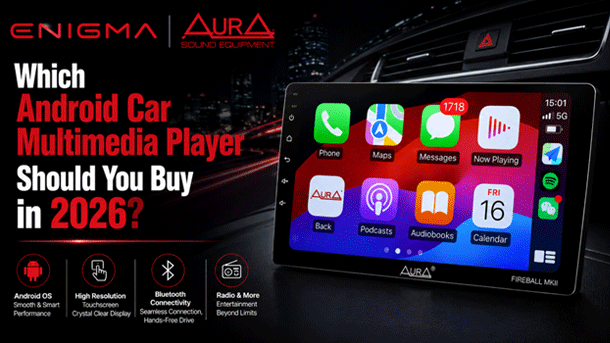
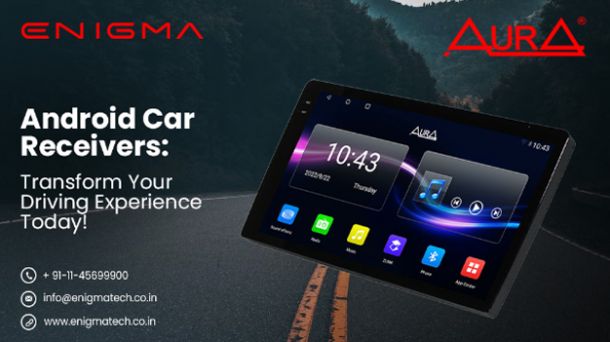
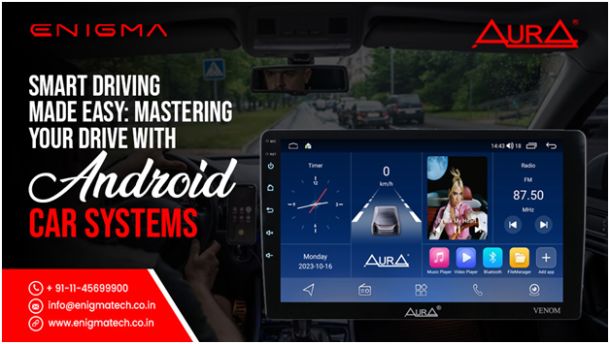
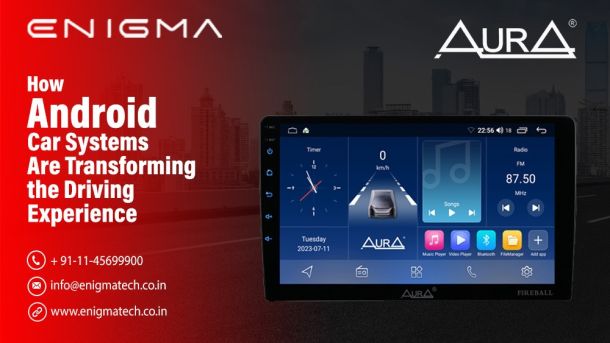
An Android car multimedia receiver replaces the factory stereo with something closer to a smartphone bolted into the dash — full app access, navigation, streaming, and touch control instead of a basic radio setup. The real appeal is flexibility, running an open platform that updates over time instead of staying frozen at whatever tech the car shipped with. Processing power matters more than buyers realize, since a sluggish system turns every menu tap into a wait — and that's usually where cheaper units fall apart.
FIREBALL-4064MKII
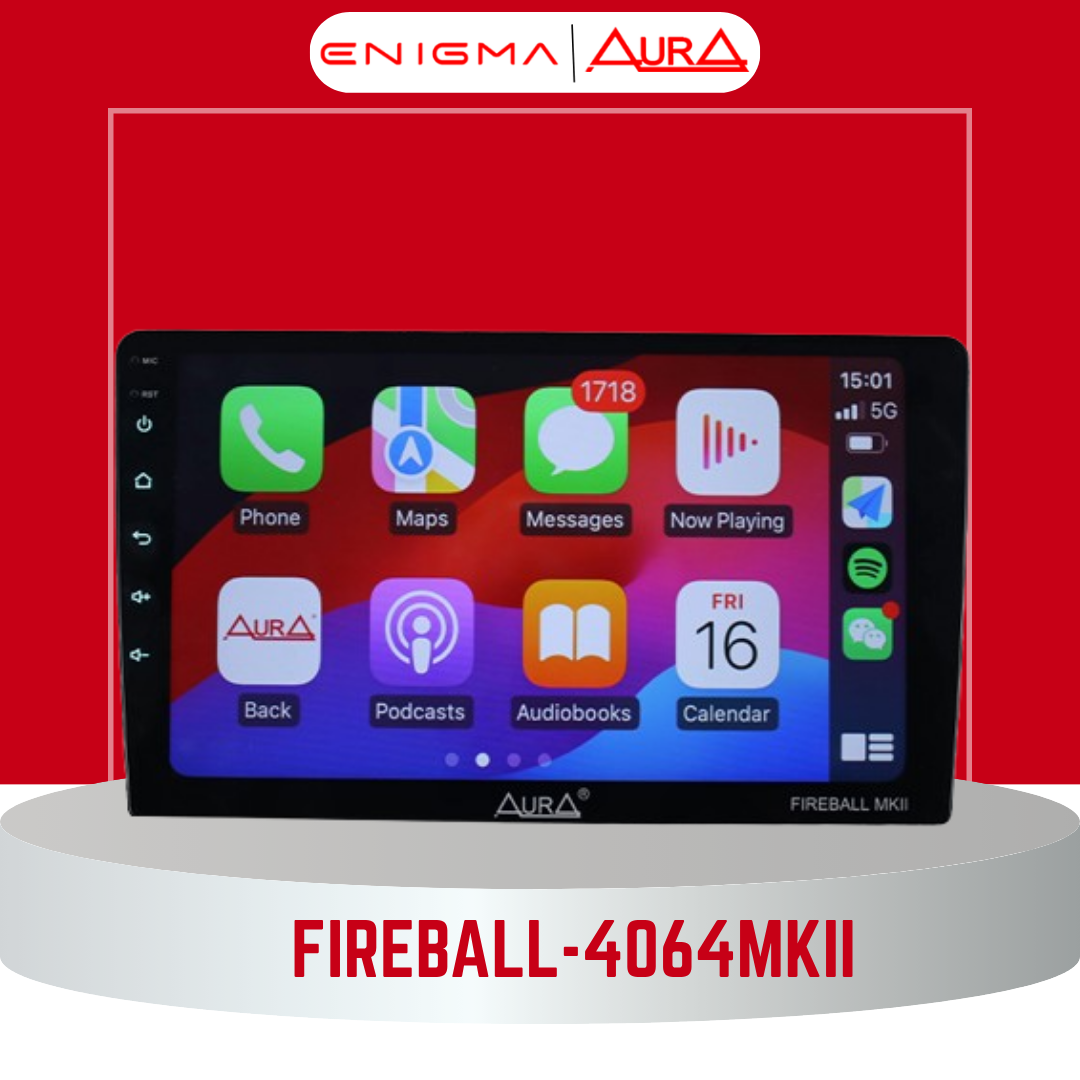
FIREBALL-4064MKII — The FIREBALL-4064MKII sits in the segment where processing power actually matters day-to-day — enough RAM and storage to run apps smoothly without the lag that plagues cheaper Android units navigating a map or switching between music sources. Wireless phone integration removes one of the more annoying parts of these systems too, no cable tethering the phone every drive just to get navigation on the bigger screen.
FIREBALL-4064MKII Specs:
- 9-inch Android car multimedia system
- Quad-core ARM Cortex-A35, 1.5GHz
- 4GB RAM / 64GB storage
- Android 11
- Wireless CarPlay & Android Auto
- TDA7851 amp, 2.5V preamp output
- 16-band EQ
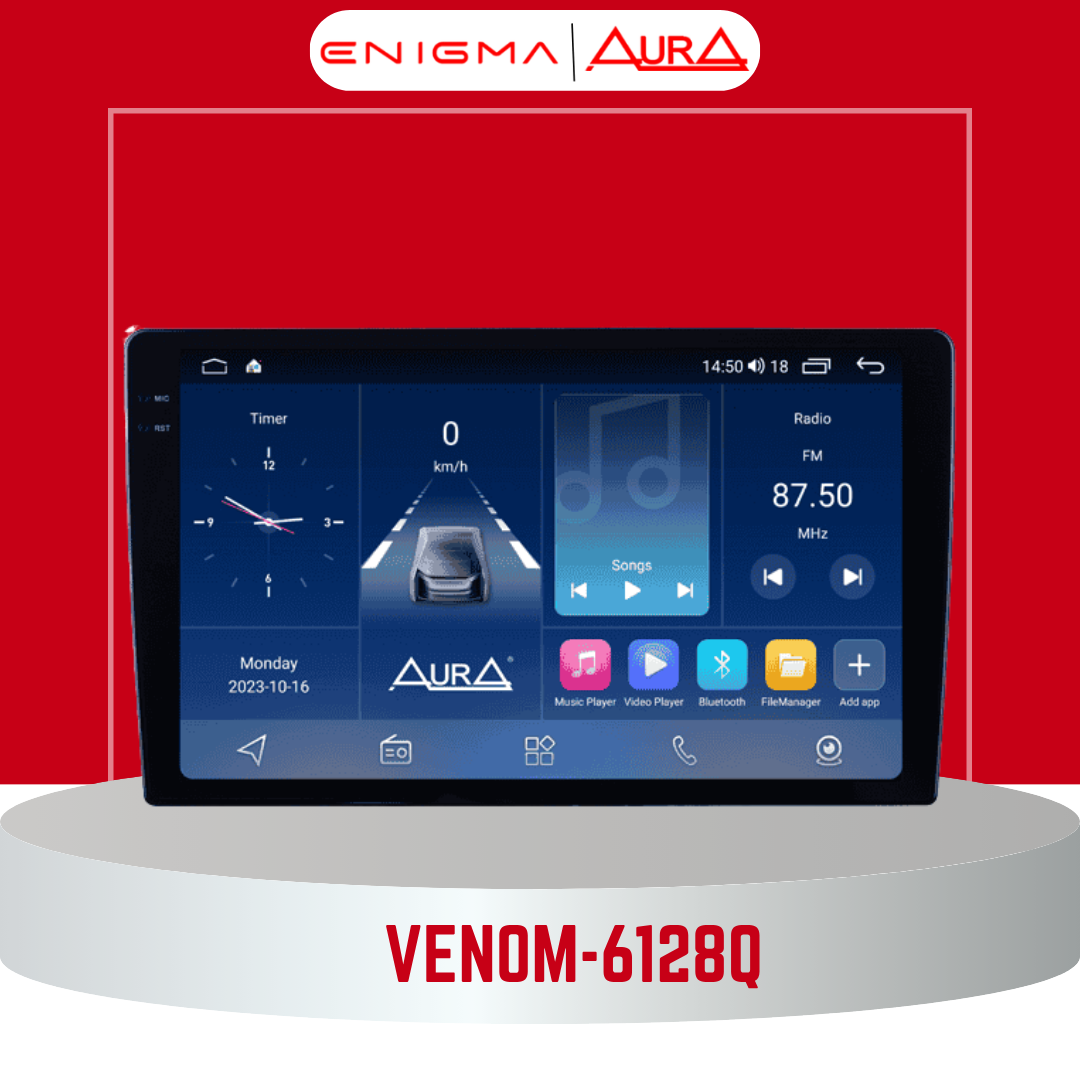
VENOM-6128Q
VENOM-6128Q —sits at the top of what a dashboard system can realistically do right now — display quality alone separates it from budget Android units, where a sharper panel makes navigation and reversing camera feeds genuinely easier to read at a glance, not just prettier in a showroom. For anyone comparing options, it's a strong case for the best android car multimedia player in this lineup — assuming the jump in price fits the budget.
VENOM-6128Q Specs:
- QLED 9-inch display, 2000x1200 resolution
- 8-core Unisoc chip, 12nm
- 6GB RAM / 128GB storage
- Android 12
- Dual 4G SIM support
- Built-in 1080p 360-degree camera feed
Digital Media Receiver
INDIGO-879DSP MkII Hi-POWER
INDIGO-879DSP MkII Hi-POWER — The INDIGO-879DSP MkII Hi-POWER packs a lot into a single-din footprint, which matters for anyone whose dash doesn't have room for a bigger double-din unit but still wants proper processing power behind it. It's built for someone upgrading a compact dash without settling for a stripped-down feature set just because the screen size shrank.
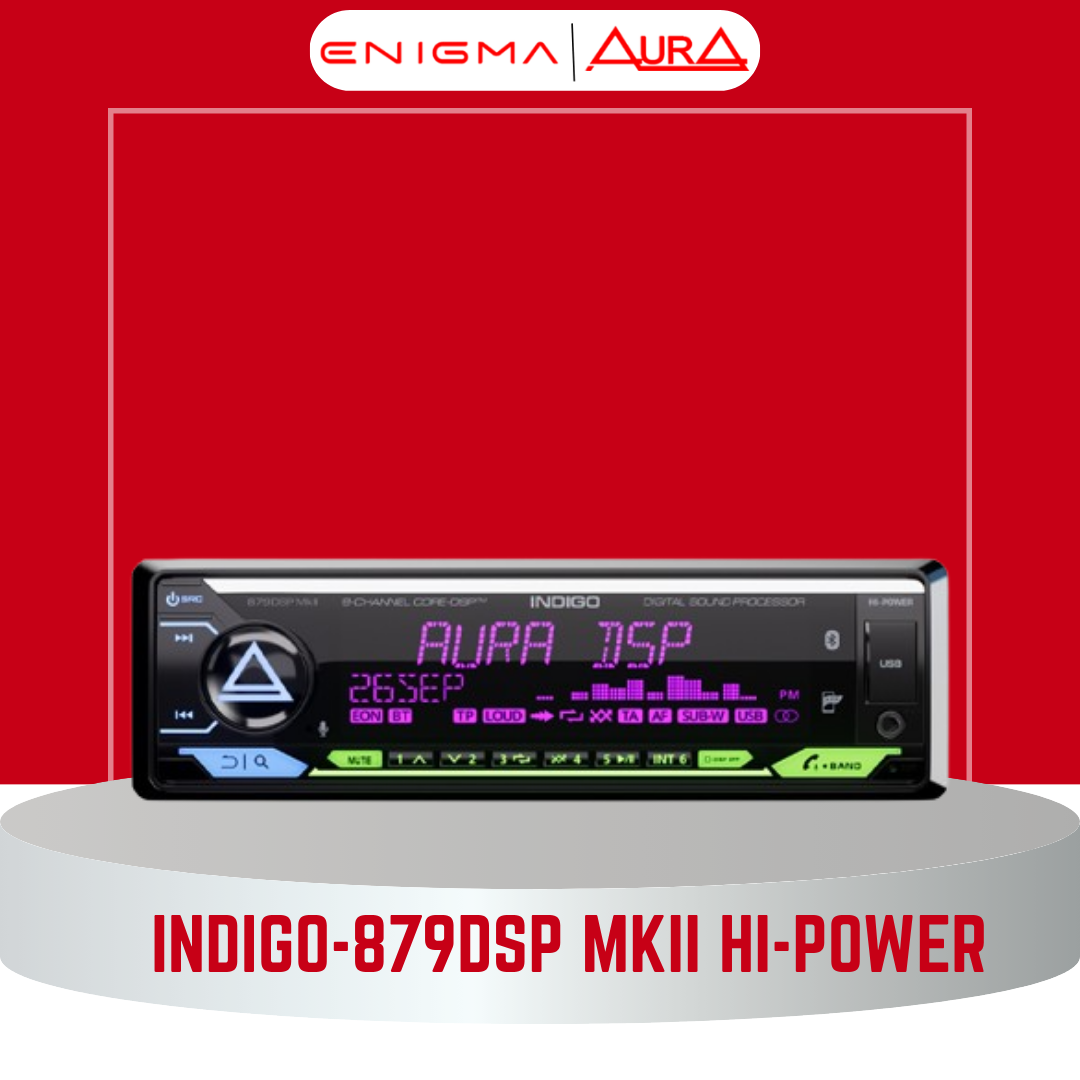
INDIGO-879DSP MkII Hi-POWER Specs:
- Single-DIN receiver, 8-channel Core-DSP processor
- Output: 4x61W max / 4x21W nominal at 4 ohms
- FLAC playback up to 16-bit/44.1kHz
- Built-in D-SWC steering wheel control learning — no separate adapter needed
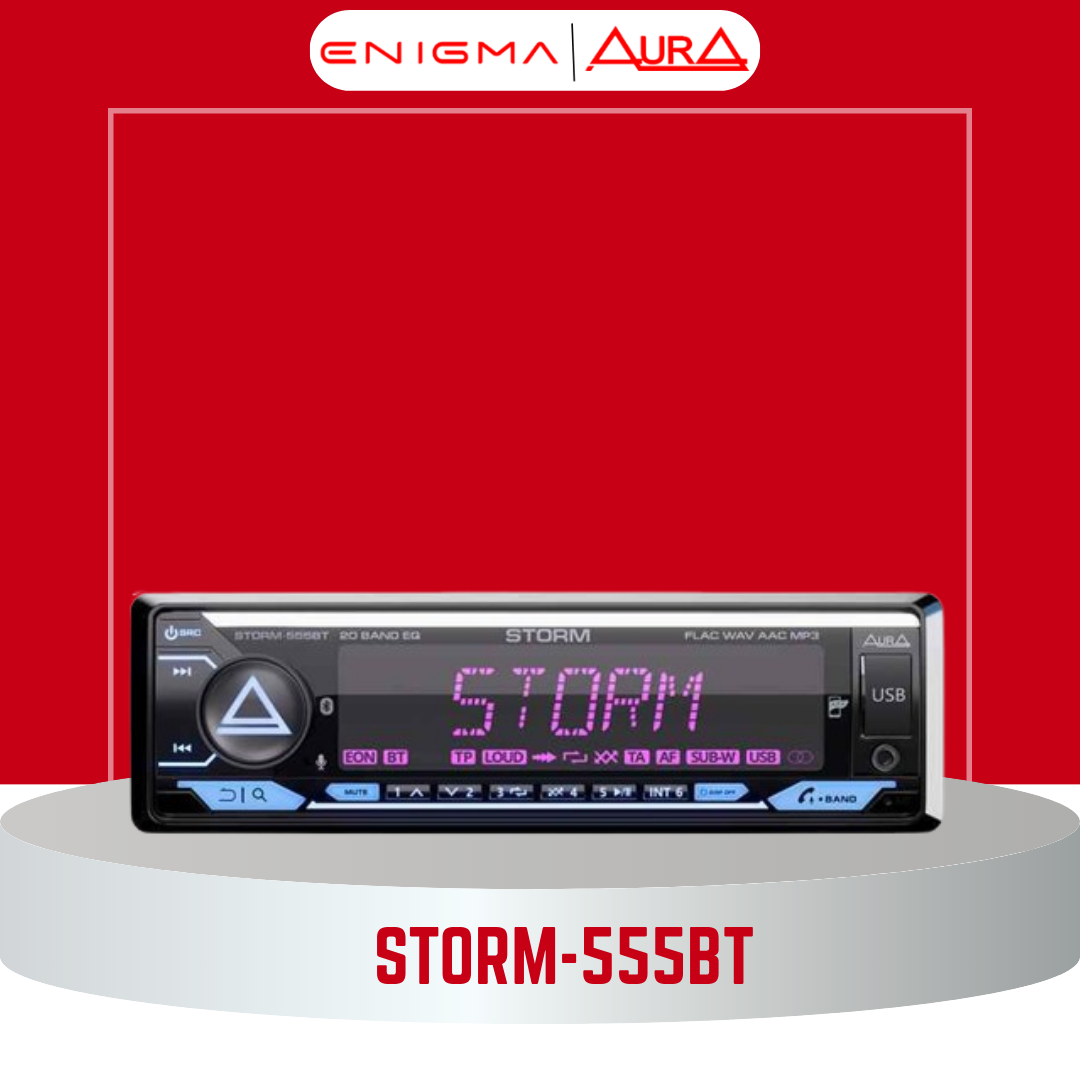
STORM-555BT
STORM-555BT — The STORM-555BT is a straightforward pick for replacing a broken or basic factory stereo without overcomplicating the install or budget. Three RCA outputs give it more flexibility than most entry-level units, letting you add a separate amp or sub later without swapping the head unit again.
STORM-555BT Specs:
- Entry-level car digital media receiver
- Bluetooth 5.0
- 20-band EQ
- 3 pairs of RCA outputs (front, rear, sub)
- Output: 4x51W max / 4x16W nominal
Installation & Compatibility
Can you install this yourself? Depends what "this" is. The STORM-555BT drops into a factory 1-DIN slot over a weekend with a screwdriver and some patience — the ISO connector and ready-made harness handle most of the guesswork.
A DSP head unit or a high-power amp is a different job entirely. The Venom-D862DSP's own documentation says power wires need to run straight to the battery terminals, minimum 4mm² copper. Routing through the factory ISO harness isn't just a bad idea — it's explicitly flagged as not allowed. Not a first-timer job.
Fitment questions come up constantly. Where does something like the VENOM-HD10 actually fit? Mounting depth runs 134mm, which rules out shallow under-seat boxes for that particular model — check the enclosure diagram before committing to a build. Cameras are far more forgiving. Both the BVC-92AHD and RVC-42AHD ship with universal mounts and a hole saw for cutting through bumper or tailgate trim.
Cost varies wildly. A head unit swap might run a few hundred rupees in labour at a decent local shop. A full DSP-amp install with proper wiring and tuning software time can climb into the thousands.
Mistakes to Avoid
Skipping the factory reset on a new DSP unit is the single most common complaint installers report back. Both Fireball-6.8 models need a PC software update and reset before first use — Enigma flags this directly on the product pages, and skipping it means certain functions just won't behave.
Running a high-power amp off factory wiring works for about a week. Then something melts, or a fuse blows on the first hard bass hit. Budget for a real wiring kit up front instead of learning this the expensive way.
Adding a bigger amp before treating rattles is backwards. The old system wasn't loud enough to excite them — the new one will be, and now every panel in the door sounds like a tin can. Damping first, amp second.
Grey-market stock is the last trap, and it's tempting because it's cheaper. No warranty paperwork, no service center, and often no real idea whether the unit was built for Indian voltage tolerances in the first place.
Where to Buy?
We Enigma Technotronix operates out of A-5, Naraina Ring Road, New Delhi – 110028, with a dealer and service center network spread across the country — full list on the Service Centers page. Products carry manufacturer warranty, typically a year on head units and multimedia receivers. Pricing and bulk orders go through the Enquire Now form on each listing rather than a public tag, which is fairly standard for a distributor supplying installers and retailers rather than walk-in retail buyers.
Why Choose Enigma Over Others?
Plenty of importers bring car audio gear into the country. Very few back it with published bench tests, instruction manuals for every SKU, and a physical office you could actually drive to if something went wrong. We does, and carries enough range to cover a full build — subwoofer to head unit to camera — from one supplier instead of five different marketplace sellers with five different return policies.
Conclusion
No shortage of car audio brands shouting for attention this year. Aura's lineup through us stands out for one reason that's easy to overlook: the numbers on the page match what shows up on a test bench. Fixing a flat-sounding system or rebuilding the whole setup from scratch — start with the categories above, match them to the car and the budget, and let our dealer network handle the wiring once it's time to actually fit it.
Frequently Asked Questions
The FIREBALL-6.8 MKII amplifier, the VENOM-HD10 subwoofer, and the VENOM-6128Q Android multimedia receiver are the strongest combination of performance and price in the current lineup.
Yes. The range runs from budget receivers up to signature-edition subwoofers and amps with published lab results — more transparency than most brands offer at similar prices.
Most head units, amplifiers, and multimedia receivers carry a one-year manufacturer warranty through Enigma's dealer network. Check the specific product page, since terms can vary a little by category.
Through the Contact Us page, by phone at +91-11-45699900, or by email at info@enigmatech.co.in.
Leave a Reply
Your email address will not be published. Required fields are marked
Comments