

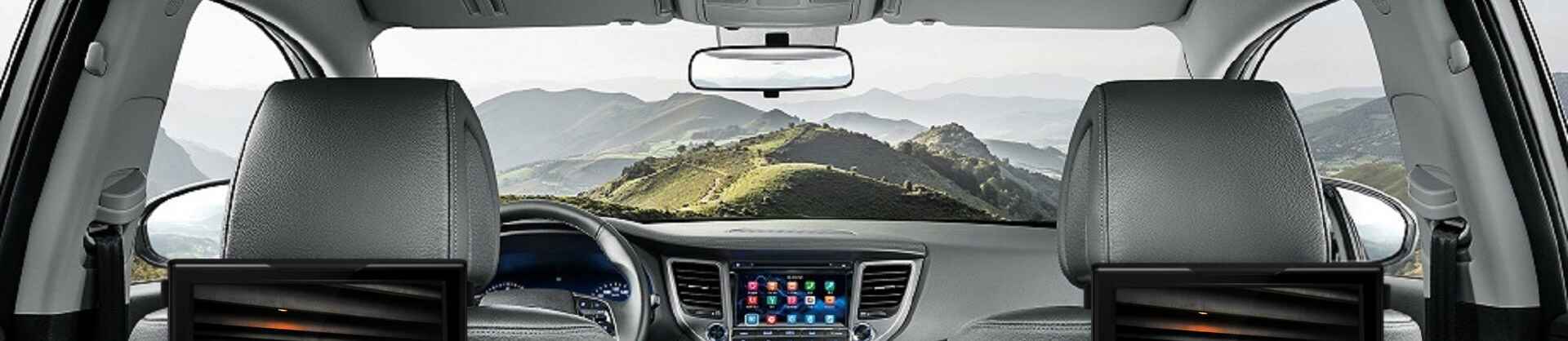

Digital Media Receiver
.jpg)

.jpg)
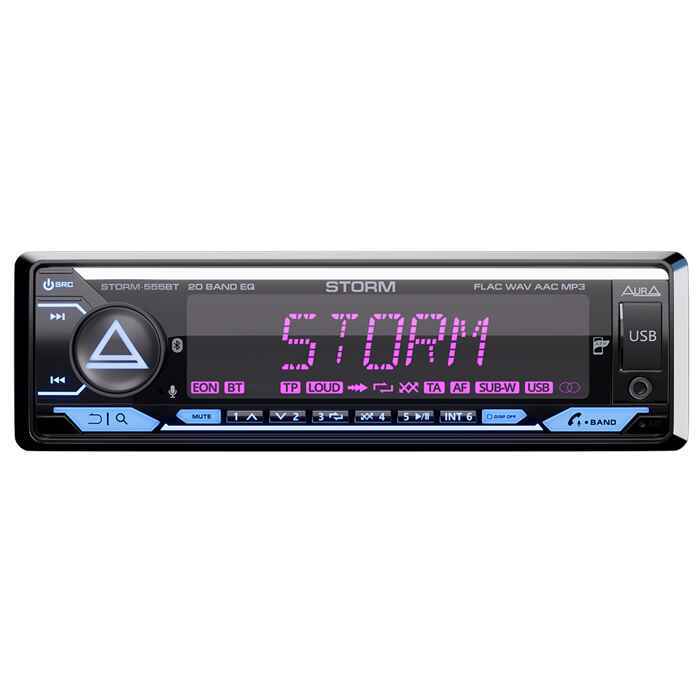
Car Digital Media Receiver — Upgrade Your Head Unit the Right Way
Most people don't think twice about their factory head unit until they're stuck in traffic trying to connect their phone and nothing works properly. No Bluetooth, no USB, maybe an aux port if they're lucky — and even that feels like a consolation prize at this point. Swapping it out for a car digital media receiver is one of the more satisfying upgrades you can do without touching anything under the hood.
The difference isn't subtle either. One day you're fumbling with a cable from 2015, the next you've got clean wireless playback, actual EQ control, and a display that doesn't look like it belongs in a budget rental car. Small upgrade on paper, noticeable every single time you get in.
What a Single DIN Receiver Actually Changes
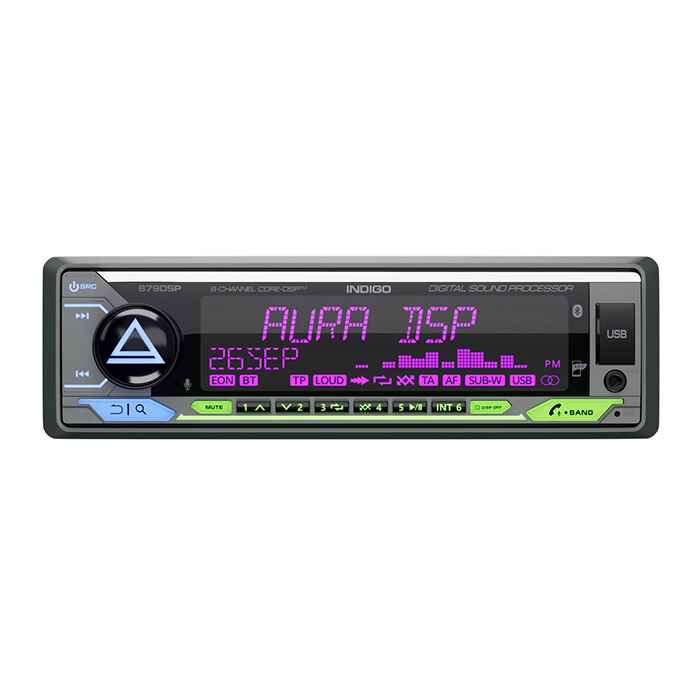
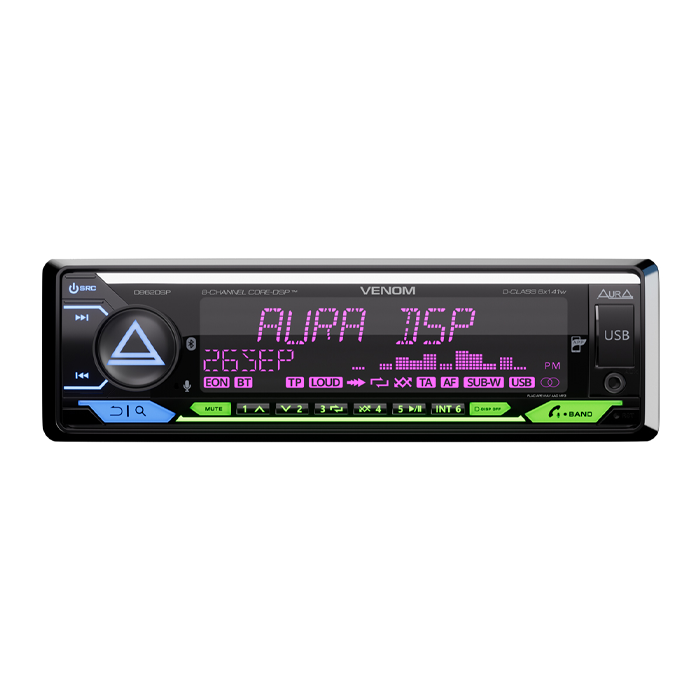
The single DIN receiver format fits the vast majority of cars still on the road, which is part of why it's stayed relevant even while flashier double DIN touchscreen units get most of the attention. Slim profile, clean install, works with most factory dash cutouts without needing to cut anything up. For anyone who doesn't want to pull apart their dashboard just to get modern features, a single DIN receiver is usually the answer.
What catches people off guard is how much actually fits into that compact format. Digital media receiver car audio in this bracket today handles Bluetooth calling, USB playback, AUX input, and in many cases app integration without breaking a sweat. Features that genuinely change daily driving rather than just adding numbers to a spec sheet nobody reads past the purchase page.
Why Source and Build Quality Both Matter Here
At Enigma, we stock Aura's car digital media receiver range because it sits in a part of the market worth paying attention to. The pitch isn't just featuring count — it's consistent build quality at a price that doesn't require convincing yourself it's an investment. Anyone who's bought a cheap no-name car digital media receiver and watched it glitch out mid-call while navigating an unfamiliar road knows that reliability matters far more than an impressive specification table.
A digital media receiver car audio setup is something you interact with literally every time you drive. It's not a one-time purchase you forget about. Getting it wrong shows up daily — getting it right shows up the same way, just in a much better direction. That's why we're particular about which units we stock and recommend, and why Aura's range earns its place in our lineup.
FAQs
Got questions? We’ll answer them. If you can’t find the answer to your question here, feel free to reach out to us from our Contact Us section.
Most cars with a standard single DIN dash slot, yes. Worth measuring the existing cutout before ordering, since some vehicles need a mounting kit.
Not necessarily — most have built-in amplification sufficient for factory or mid-range speakers. External amps can significantly improve output if you're running upgraded speakers.
Often yes, with a compatible steering wheel control adapter. Aura products supplied by Enigma typically support this through a standard SWC input.
More than people expect. Cheaper units drop connections or have poor call clarity. Better-built receivers hold stable connections and handle calls cleanly without audio dropout.
Basic installation with a wiring harness adapter is manageable for most people comfortable with basic tools. Anything involving custom dash work is worth taking to a professional, though.
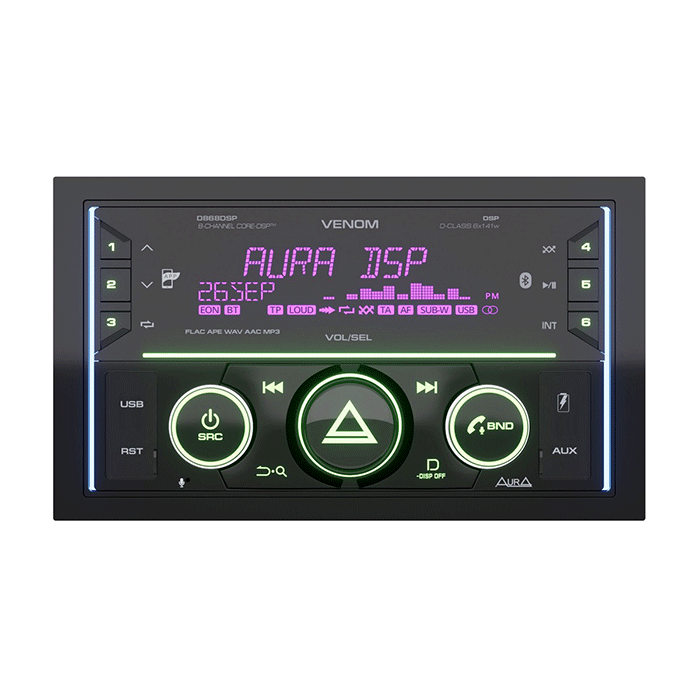
A head unit that plays audio from USB, Bluetooth, and AUX inputs but has no CD or DVD slot is a Digital Media Receiver. Our Aura range includes models from the basic Aura STORM-555BT up to DSP-equipped units like the Aura AMH-79DSP Digital Media Receiver. Cleaner, fewer moving parts than a disc-based player.
No disc mechanism means nothing to jam or fail after a few years of use. Supports current formats - Bluetooth streaming, USB drives with thousands of tracks, and AUX for anything else. Most people stopped using CDs regularly anyway, so a Digital Media Receiver just removes a slot nobody's using.
"Head unit" covers everything from basic CD players to full Android touchscreen systems - a digital media receiver is a specific type within that category. Typically, single DIN, minimal or no screen, focused on audio and connectivity rather than navigation. The clean, straightforward option when a big screen isn't wanted.
Depends entirely on the model - basic Digital Media Receiver units don't include CarPlay or Android Auto, those tend to live in our Android multimedia receiver range. Check the specific model's feature list on our website before assuming. Not every head unit in this category supports either platform.
Wireless CarPlay and Android Auto need specific hardware support beyond just having Bluetooth - most units that offer them still require USB unless explicitly listed as wireless-capable. Model-specific, worth checking the product page directly. Don't assume wireless just because Bluetooth is listed.
Not if a compatible SWC adapter for the specific car is used alongside the new unit. Without the right adapter, the buttons won't map correctly to the receiver's functions. The adapter is usually sold separately and is vehicle-specific.
A receiver accepts audio wirelessly from a phone and plays it through the car's speakers. A transmitter does the opposite - it takes audio from the car and broadcasts it to another device. For a car audio upgrade, a receiver is what most people actually need.
Put the receiver into pairing mode through the Bluetooth menu, search for it on the phone, and confirm the pairing code when it appears. Most units remember paired devices after that first connection. If it's not showing up, make sure the Digital Media Receiver isn't still paired to a previous device.
No - dropping the optical drive is literally the defining difference between a Digital Media Receiver and a CD receiver. USB, Bluetooth, and AUX are the sources it works with. If discs are still needed, our CD receiver category is the relevant one.
Deutsches Institut für Normung - the German standards body that defined the sizing for car head unit slots. Single DIN is 180mm wide by 50mm tall, double DIN is the same width at twice the height.
Yes, with a mounting kit that fills the extra space around the unit cleanly. Most car audio shops carry vehicle-specific installation kits for this. Standard fitment job, nothing complicated.
Check the existing head unit's DIN size - usually visible once the original unit is removed, or listed in the car's manual. If unsure, we can confirm compatibility before purchase.
Receives audio wirelessly from a Bluetooth-connected phone and outputs it through the car speakers. Most modern digital media receivers have this built in rather than requiring a separate add-on. Basic function, but it's what makes daily phone music use practical in a car.
Single DIN is 180 x 50mm - the standard smaller format used for digital media receivers and basic head units. Double DIN doubles the height to 100mm, used for touchscreen multimedia systems. Which one fits depends on the car's dashboard opening.