


Recent Posts






















How to Choose the Best Car Reverse Camera for Your Vehicle?
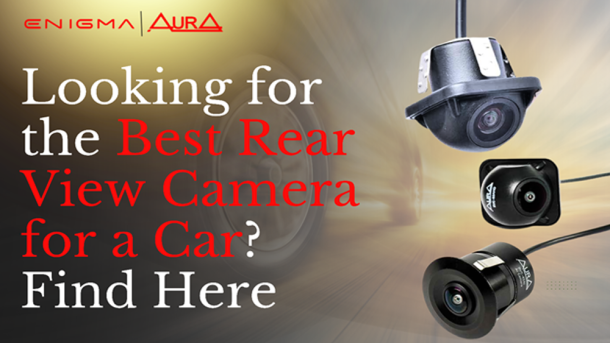
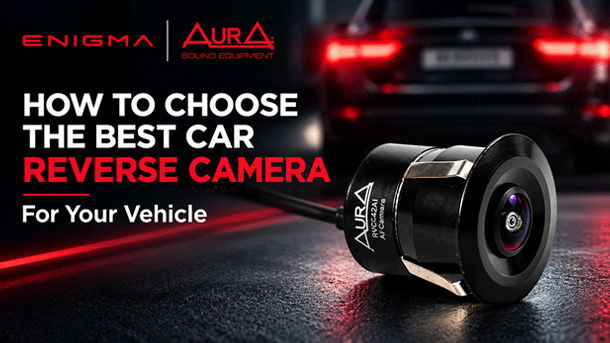
A white hatchback in a Mumbai basement carries the same paint scar on its rear bumper, at the same height, from the same concrete pillar. The pillar hasn't moved. Neither has the driver's habit. A good car rear view camera fixes that for far less than another respray, and Enigma, the supplier behind Aura products, carries rear view cameras next to the Aura car audio range. Here's how to choose one.
Types of Car Reverse Cameras
Wired vs. Wireless
Wired is the dependable one. Nothing drops out when a phone or another gadget gets noisy. Wireless skips the cable run through the boot, but I've watched the picture freeze halfway through a reverse. On long vehicles it's worse. For daily use, I'd go wired.
License Plate Mount vs. Rear-View Mirror Mount
A plate camera sits above or beside the number plate, so there's no drilling. Check the bracket doesn't cover any character on the HSRP plate. A mirror mount is different: the monitor clips over your interior mirror and doubles as the display. Handy if the car has no touchscreen.
Single vs. Multi-Camera Systems
One camera does the job on most hatchbacks and sedans. Side and front views make sense on SUVs and big vans, where the blind spots are plenty. They cost more and need a compatible display.
Factors to Consider When Choosing a Rear View Camera for Car
Image Quality
720p is the floor now, and 1080p is nicer. Resolution isn't everything, though. A low-light sensor of the Sony STARVIS kind gives a cleaner picture in a dim basement than a cheap chip with more pixels.
Field of View
Around 120 to 140 degrees suits most cars. At 170 you see more, but the edges bend and a kerb can look further away than it is.
Night Vision
Infrared LEDs give a black-and-white view. A good low-light sensor, helped by the reverse lights, often gives a more natural picture. Try it at night, not in the showroom.
Parking Guidelines
Static lines stay put. Dynamic ones bend with the steering and need a steering input to work. Check your car can supply it before paying extra.
Waterproof and Weatherproof Rating
IP67 means dust-tight and able to survive a meter of water for half an hour. No rating written down? Walk away.
Compatibility with Your Vehicle
Your display must accept the camera's signal. Analog and AHD both exist, and mixing them gives a blank or grainy screen. The camera also needs a 12 V feed from the reverse lamp. A rear camera for car use only works when everything lines up.
Rear View Camera Suppliers
Rear view camera suppliers range from roadside kit sellers to specialists who test what they sell. Enigma supplies Aura products, and its range covers rear view cameras next to the car audio. Ask any supplier about the sensor and the waterproof rating, then about warranty.
Installation and Setup
Professional Installation vs. DIY
A confident DIYer can fit a plate-mount camera in an hour. Wiring into the reverse lamp is where people get stuck. If the car has a CAN bus system or a factory display, hand it over.
Wiring and Mounting Considerations
Run the cable through the rubber boot near the door, not along an edge where it gets pinched. Use waterproof connectors. Tap the reverse lamp for power. Disconnect the battery first.
Pairing with a Display or Monitor
Plug the video lead into the head unit's camera input and the trigger wire into the reverse signal. Test with the key on and the engine off, before everything goes back together.
Tips for Using a Car Reverse Camera
Don't trust it blindly. The lens misses what's directly under the bumper, so a low kerb or a toy can vanish. Glance at the mirrors too. I still take one look over my shoulder.
Adjusting Settings for Optimal Performance
Brightness and contrast are worth five minutes. A picture that looks fine in daylight washes out at night. Switch guidelines on only if they line up with your bumper.
Maintenance and Care
Wipe the lens with a micro fiber cloth. Skip high-pressure washing right at the camera. If the lens fogs, moisture is getting in, so check the seal. Tug the cable gently where it enters the boot.
Safety Precautions
Switch off the battery before touching wiring. Keep clear of airbag wiring entirely. A camera helps but it doesn't see everything. Reverse slowly.
Conclusion
Start with how you park, then match the camera to your display. Any rear view camera for car use gets judged on the first bad night, so test it in the dark. For one supplier covering the camera and the audio around it, Enigma, the supplier behind Aura products, is worth asking.
Frequently Asked Questions
Around 120 to 140 degrees for most cars. Wider shows more but distorts the edges.
A plate-mount car rear view camera is a reasonable DIY job if you're comfortable tapping the reverse lamp wire. Cars with a factory screen or a CAN bus system are better left to a professional.
Wipe the lens gently, avoid close pressure washing, and check the cable and seal now and then. A rear camera for car use that fogs usually needs its seal looked at.
Leave a Reply
Your email address will not be published. Required fields are marked
Comments